


 Recently viewed
 Benefits of Small-Group Adventure Travel for Solo Travelers

Izzy Mason 7th Oct 2026 11 min read
Solo travel promises freedom: your dates, your destination, your slightly unreasonable insistence on getting the window seat. But traveling independently doesn’t necessarily mean doing every part of the journey alone.
Small-group adventure travel occupies a useful middle ground. You can book without waiting for somebody else’s PTO to align with yours, while still gaining companions for the experiences that are simply better shared. Add expert guides, organized logistics and access to experiences that can be difficult to arrange independently, and the appeal becomes fairly obvious.
For solo travelers in particular, the benefits of small-group adventure travel stretch well beyond convenience.
TL;DR
Small-group adventure travel gives solo travelers the independence of booking and arriving alone without requiring them to spend an entire trip alone. The biggest benefits include built-in social connection, easier logistics, expert local knowledge, greater confidence in unfamiliar destinations and access to experiences that can be harder to organize independently.
Different companies approach the format differently. Flash Pack focuses exclusively on solo travelers in age-aligned groups, while Much Better Adventures leans into active outdoor escapes. Explore Worldwide offers broad-ranging classic adventure travel, Exodus Adventure Travels combines guided discovery with walking, cycling and cultural trips, and Under30Experiences caters specifically to younger travelers.
Benefits of small-group adventure travel at a glance
| Benefit | Why it matters for solo travelers |
|---|---|
| Built-in connection | Shared experiences make meeting people feel natural rather than forced |
| Simpler logistics | Transport, accommodation and key activities are organized in advance |
| More ambitious travel | Remote or complex destinations become easier to tackle without a travel companion |
| Local expertise | Guides provide cultural context and knowledge that independent research can struggle to replicate |
| Access to distinctive experiences | Groups can make specialist guides, private transport and locally hosted activities more practical |
| Independence without isolation | You can travel on your own terms while still having people to share the experience with |
| Greater confidence | A guide and established itinerary can remove some of the uncertainty from unfamiliar destinations |
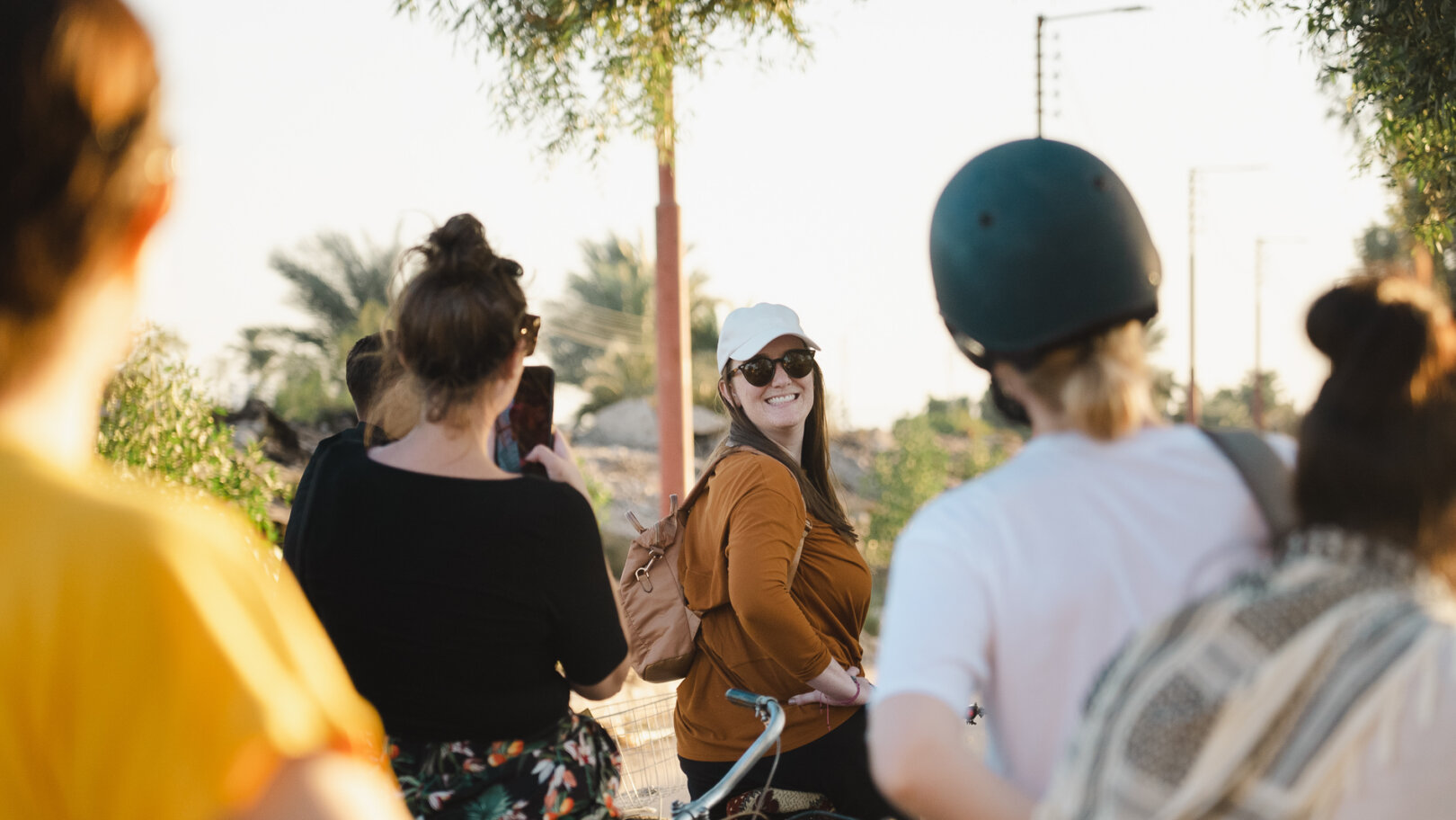
You don’t need to wait for someone else
Perhaps the biggest benefit is also the simplest: small-group travel removes the need to find a willing travel companion.
Friends have jobs, partners, children, mortgages, different budgets and occasionally a baffling lack of enthusiasm for hiking through Patagonia. Coordinating all of that can mean ambitious trips remain permanently filed under “one day”.
Joining a group allows you to choose the destination and dates that suit you. You arrive solo, but the social infrastructure is already there.
This is particularly central to Flash Pack, where adventures are designed specifically for solo travelers aged 30-49 and 50-65. Groups average 12 and have a maximum of 16 guests, creating a relatively intimate setting where connection is deliberately built into the trip rather than left to chance.

Meeting people becomes considerably easier
There is nothing wrong with eating dinner alone. There is also nothing especially appealing about realizing you’ve had nobody to discuss your extraordinary day with except the Notes app.
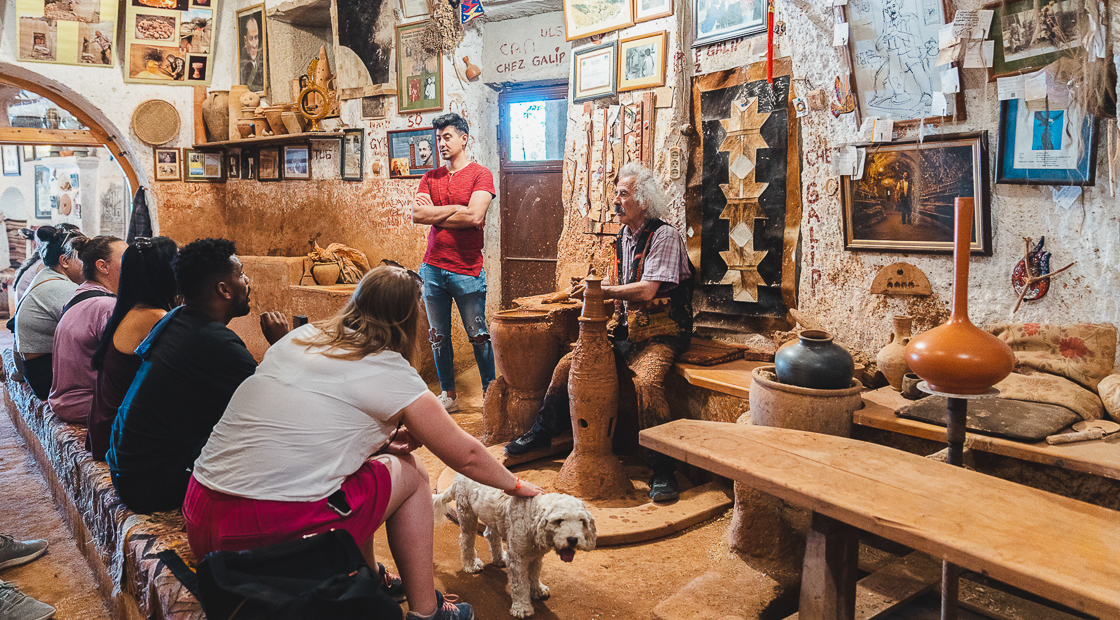
Small groups create repeated opportunities for relationships to develop naturally. You’re hiking together, sharing meals, navigating markets or collectively discovering that none of you packed appropriately for the weather.
Crucially, you already have something in common: you chose the same adventure.
Much Better Adventures demonstrates this particularly well. Its trips attract an outdoorsy crowd, typically in their 30s-50s, and 75% of travelers join solo. That shared appetite for active experiences gives the group an immediate point of connection.

You can be more ambitious with where you go
Traveling solo independently around Paris is one proposition. Arranging your own multi-day trek, desert expedition or remote wildlife experience is quite another.
A small-group trip can make logistically demanding destinations feel considerably more accessible. Accommodation, transport and routes have already been considered, and there’s usually an experienced tour leader handling the moving parts.
Explore Worldwide, for example, runs small-group adventures spanning cultural discovery, trekking, cycling, wildlife and expedition-style travel. Its groups average 11 travelers, bringing solos, couples and friends together around a shared interest in more immersive experiences.
For a solo traveler, that can open the door to trips you might hesitate to arrange alone without sacrificing the satisfaction of having chosen the adventure for yourself.

There’s less admin, without losing the adventure
There’s a particular point in vacation planning when researching a destination stops being exciting and you find yourself comparing transfer companies at 11.47pm.
Small-group travel outsources much of that labor.
Hotels, internal transport, guides and core activities are typically arranged, leaving you to concentrate on actually being there. It doesn’t necessarily mean every minute is scheduled, either. Many itineraries build in independent time alongside group activities.
Exodus Adventure Travels illustrates this balance. Its guided groups typically contain eight to 16 people, with an average of around 10-12, and combine organized activities with opportunities for independent exploration. Its local guides also handle logistics while providing cultural and destination expertise.
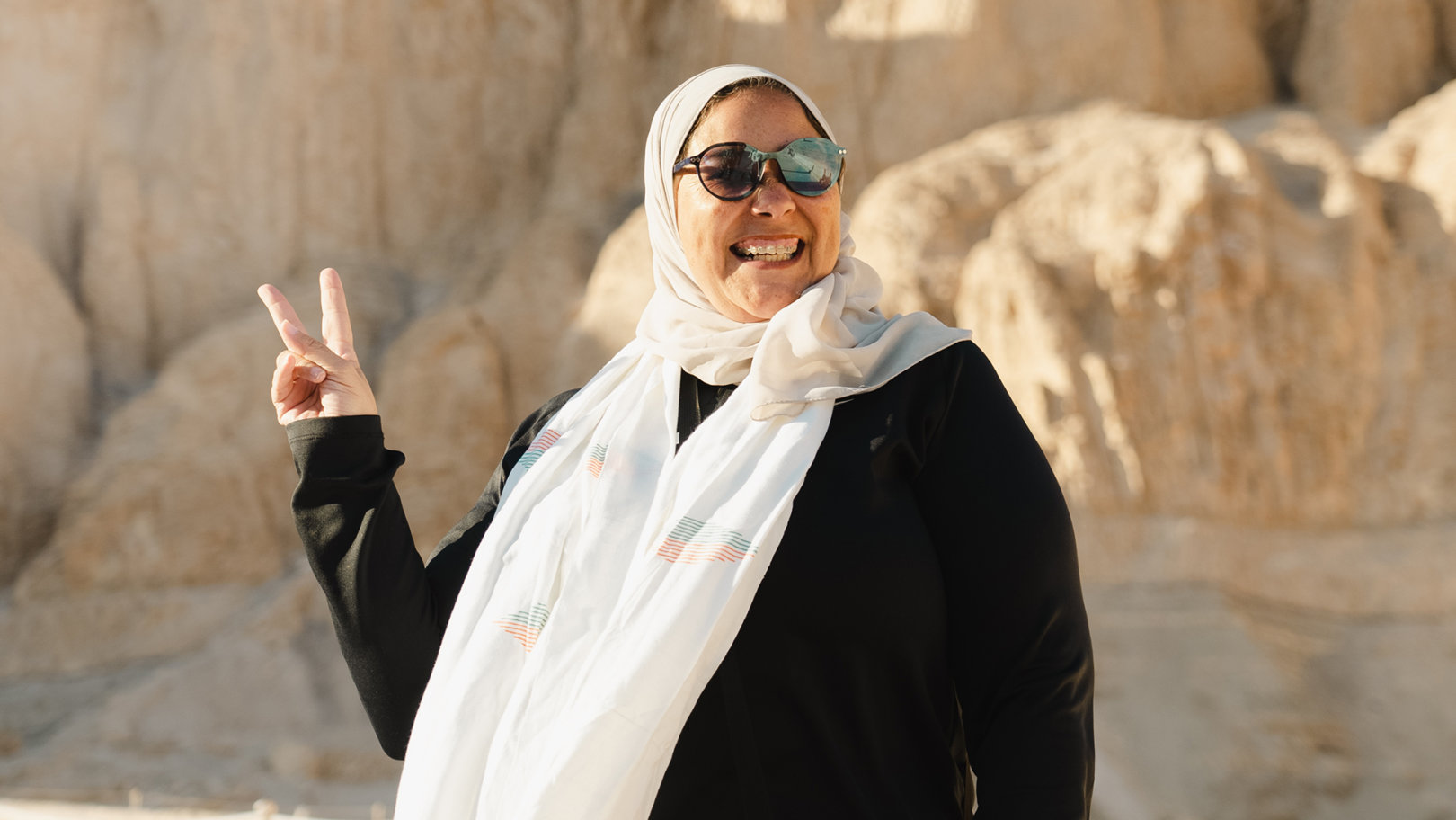
Local guides can take you beyond the obvious
Google can tell you where a temple is. A knowledgeable local guide can tell you why it matters, when to visit, what you’re looking at and where to eat afterwards.
This is one of the quieter advantages of organized adventure travel. Good guides don’t merely move a group from A to B. They provide context, facilitate conversations and can open doors to smaller communities and experiences that would be difficult to access independently.
Small groups can help here too. They’re often better suited to family-run restaurants, smaller accommodation, local transport and community experiences than coach-sized groups.
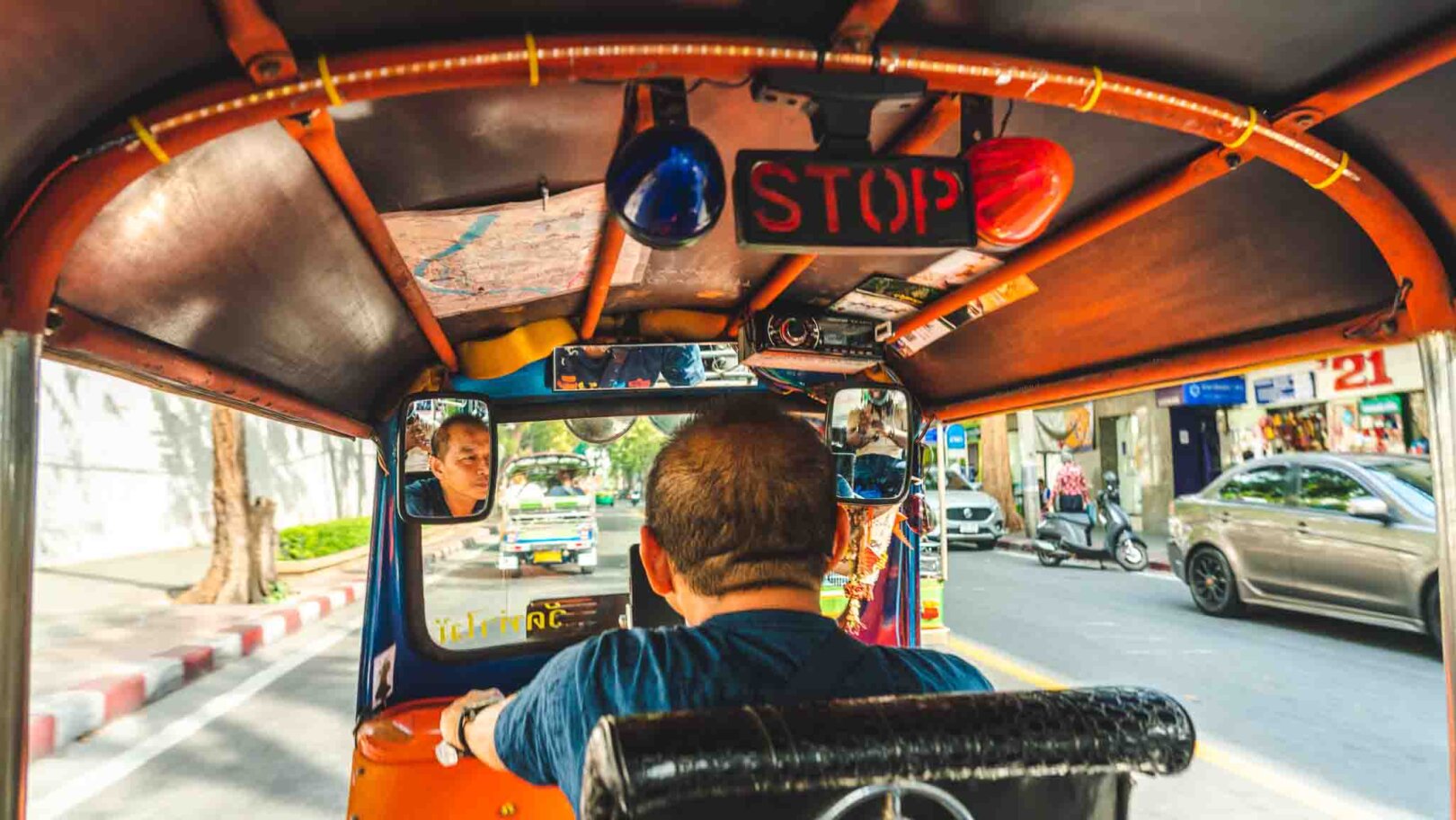
There’s a small-group style for different stages of life
The term “group tour” is an experience that varies enormously depending on who the trip has been designed for.
Flash Pack’s age-aligned model suits solo travelers looking for friendship and connection among those at a similar stage of life. Much Better Adventures appeals to people who want their socializing served with mountains, kayaks or hiking boots. Explore and Exodus offer broad portfolios where the destination or activity is often the common denominator.
At the younger end, Under30Experiences is built around travelers aged 21-35, providing another example of how demographic alignment can influence the atmosphere of a group.
The point isn’t that one format is universally better. It’s that choosing the right group matters almost as much as choosing the right destination.

You still get to be a solo traveler
This may be the most important distinction.
Joining a group doesn’t undo the independence involved in solo travel. You still chose to go. You still turned up without bringing your own social safety net. And, on well-designed trips, there should still be room to disappear for a coffee, wander around a neighborhood alone or enjoy an hour when nobody is asking what you thought of the waterfall.
The sweet spot is company without dependency: people when you want them, space when you don’t.
For many travelers, that combination is precisely the benefit of small-group adventure travel. You get the confidence and camaraderie of traveling together, without having to wait for somebody else before seeing the world.
FAQs
What are the main benefits of small-group adventure travel for solo travelers?
The key advantages are built-in social connection, organized logistics, access to knowledgeable guides, greater confidence in unfamiliar destinations and the ability to undertake more complex adventures without finding a travel companion first.
Is small-group travel good for meeting people?
It can be particularly effective because relationships form around shared experiences rather than formal socializing. Smaller groups also make it easier to get to know everyone rather than becoming one anonymous face in a large tour party.
Will I be the only person traveling solo?
That depends on the operator. Some companies welcome a mixture of couples, friends and solo travelers, while others are heavily solo-focused. Flash Pack designs its trips specifically for solo travelers (over 90% join trips alone), while Much Better Adventures says 75% of its customers join solo.
How small is a small-group adventure?
There is no universal definition, so always check the individual operator and trip. As examples, Flash Pack has a maximum of 16 with an average of 12 guests, Explore averages 11, and Exodus typically operates with eight to 16 travelers.
Is small-group travel better than traveling independently?
Not necessarily. Independent travel offers maximum flexibility, while small-group travel provides greater structure, built-in company and logistical support. For many solo travelers, the attraction is being able to retain a sense of independence while handing over the least glamorous parts of planning.
Who is small-group adventure travel best for?
It works particularly well for people who want to travel solo but value social connection, travelers tackling a more complex destination for the first time, and anyone who would rather spend their vacation experiencing a place than coordinating transfers, guides and hotel bookings.
Images: Flash Pack