


 Recently viewed
Four uplifting happiness habits to borrow from around the world


Anna Brech 6th Oct 2026 9 min read
Happiness is often painted as an individual quest. This elusive concept – the must-have currency of a modern age – is frustratingly vague and difficult to pin down. It depends on who you are, and how you feel at any given point.
But certain countries across the world have developed routines that are intrinsically linked to happiness on a national level. These routines are an indelible part of their cultural identity; a blueprint to their wellbeing and general satisfaction with life. They’re ways of thinking and doing that have been scientifically proven to improve mood.
Here, we take a look at the habits behind four of the world’s happiest countries. From finding purpose in Japan to cherishing loved ones in Brazil, find out how you too can cultivate a happiness habit:
Hygge and coziness in Denmark
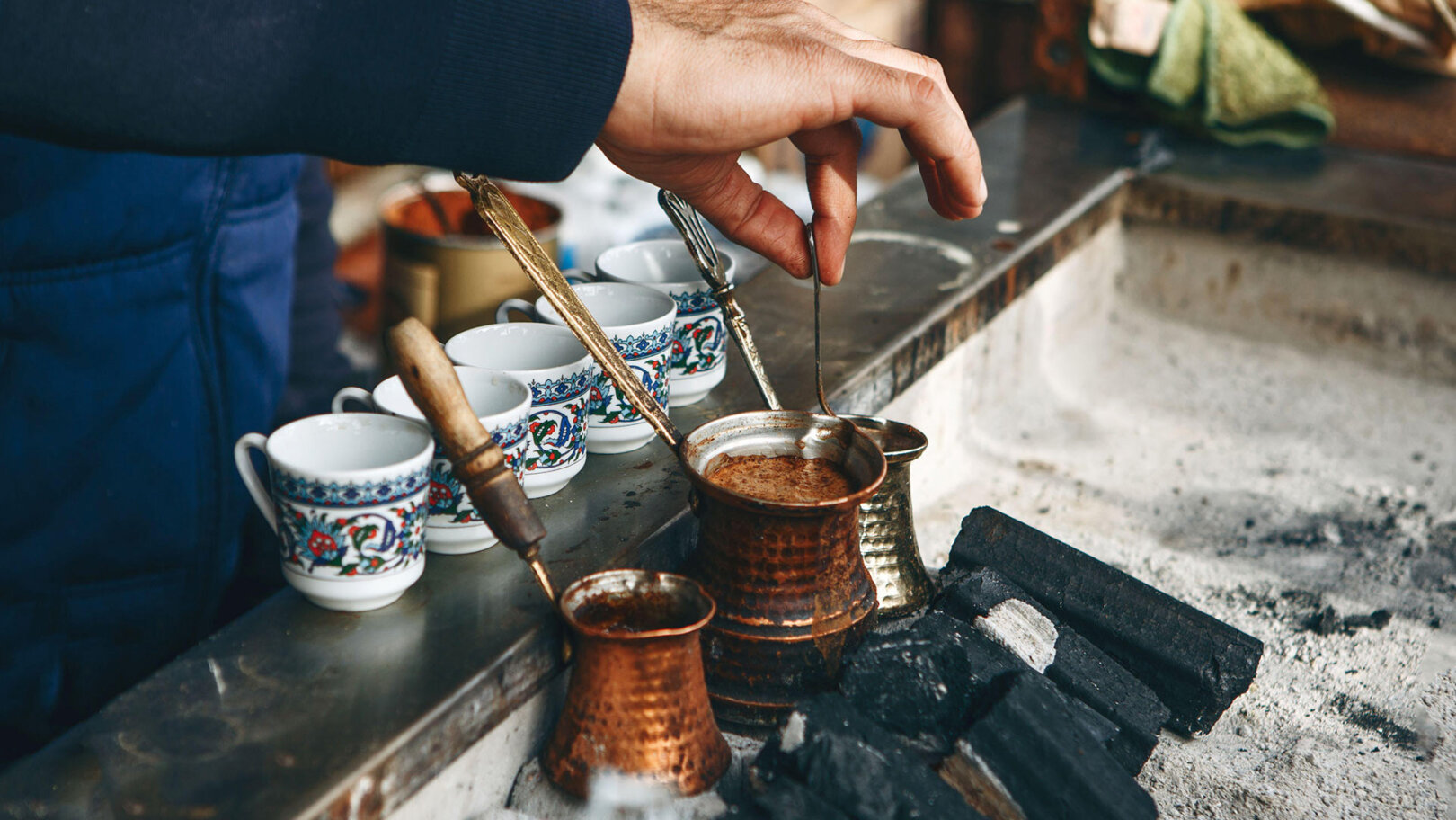
The art of hygge (pronounced “who-gah”) has become a hugely popular lifestyle token over the past decade, with podcasts, coffee shops and design stores exalting the Scandi love for coziness. But beyond the hype lies a concept that is refreshingly simple and easy to apply in your own life.
“Hygge is as Danish as pork roast and it goes far in illuminating the Danish soul,” reads an explanation from visitdenmark.com. “In essence, hygge means creating a warm atmosphere and enjoying the good things in life with good people. The warm glow of candlelight is hygge. Friends and family – that’s hygge too. There’s nothing more hygge than sitting round a table, discussing the big and small things in life.”
Hygge means enjoying the good things in life with good people

With Danes famously holding the title of the happiest people in the world, it’s likely that their feel-good vibes derive from these small yet consistent acts of pleasure and self-worth.
“The rest of the world seems to be slowly waking up to what Danes have been wise to for generations – that having a relaxed, cosy time with friends and family, often with coffee, cake or beer, can be good for the soul,” Helen Russell, author of The Year of Living Danishly, tells the BBC. “Hygge seems to me to be about being kind to yourself – indulging, having a nice time, not punishing or denying yourself anything.”
Want to grab your own slice of hygge? Find yourself a cashmere blanket, light a few candles and invite your mates over for a cinnamon roll. Hey, presto: Scandi-style happiness is yours.
Ikigai and purpose in Japan
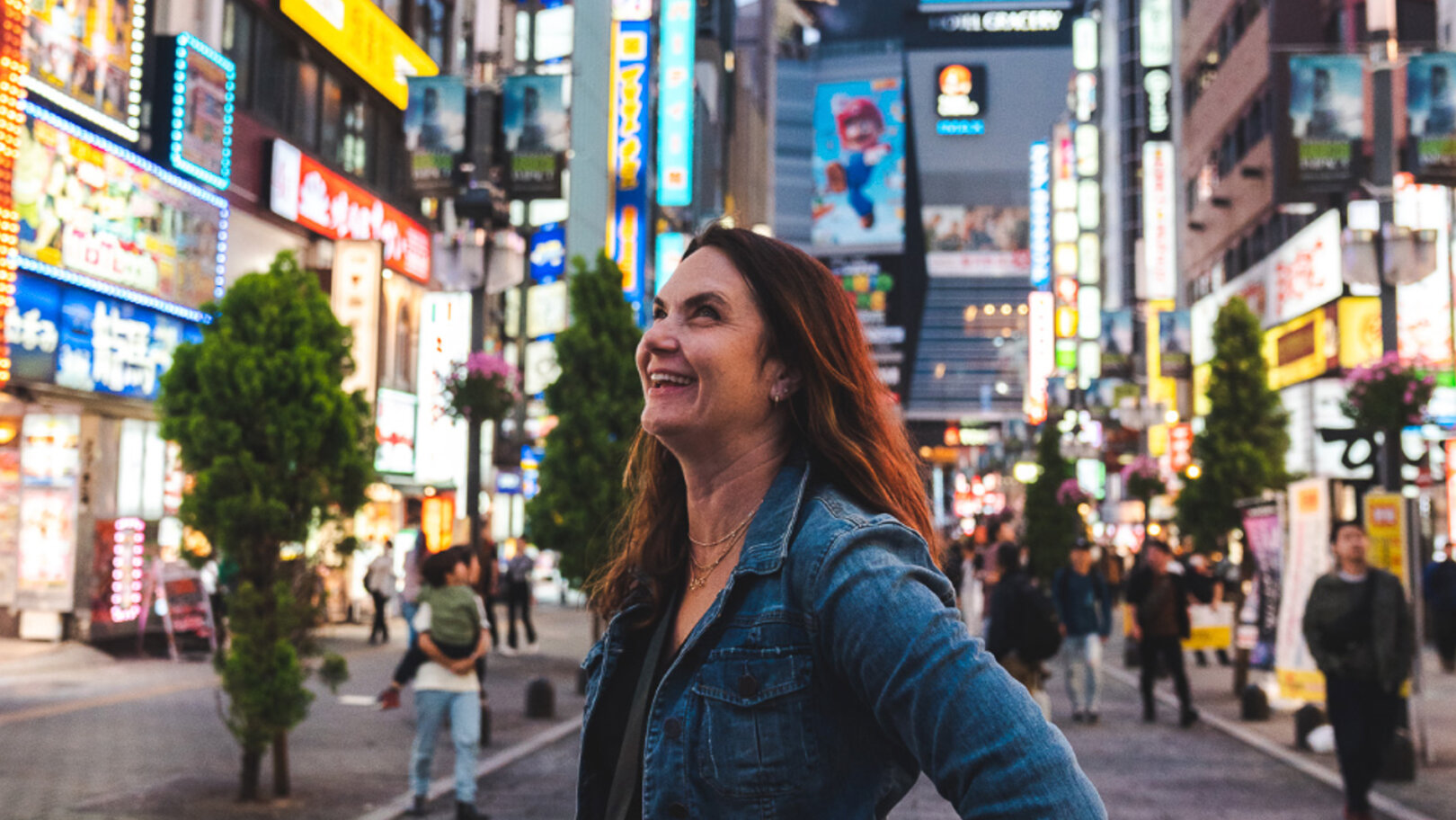
Office hours are so punishing in Japan, there’s actually a phrase for “deaths through overwork” (Karoshi). And yet, the Japanese also have one of the world’s highest life expectancy rates (especially in the Okinawa Blue Zone), with the average woman living to 87 years old.
So, how does this nation find balance in their work life? Ikigai (pronounced aki-gay-aai) may have a lot to do with it. There’s no direct translation for this term, but it forms the centerpiece of the Japanese mindset and means finding your life’s worth.
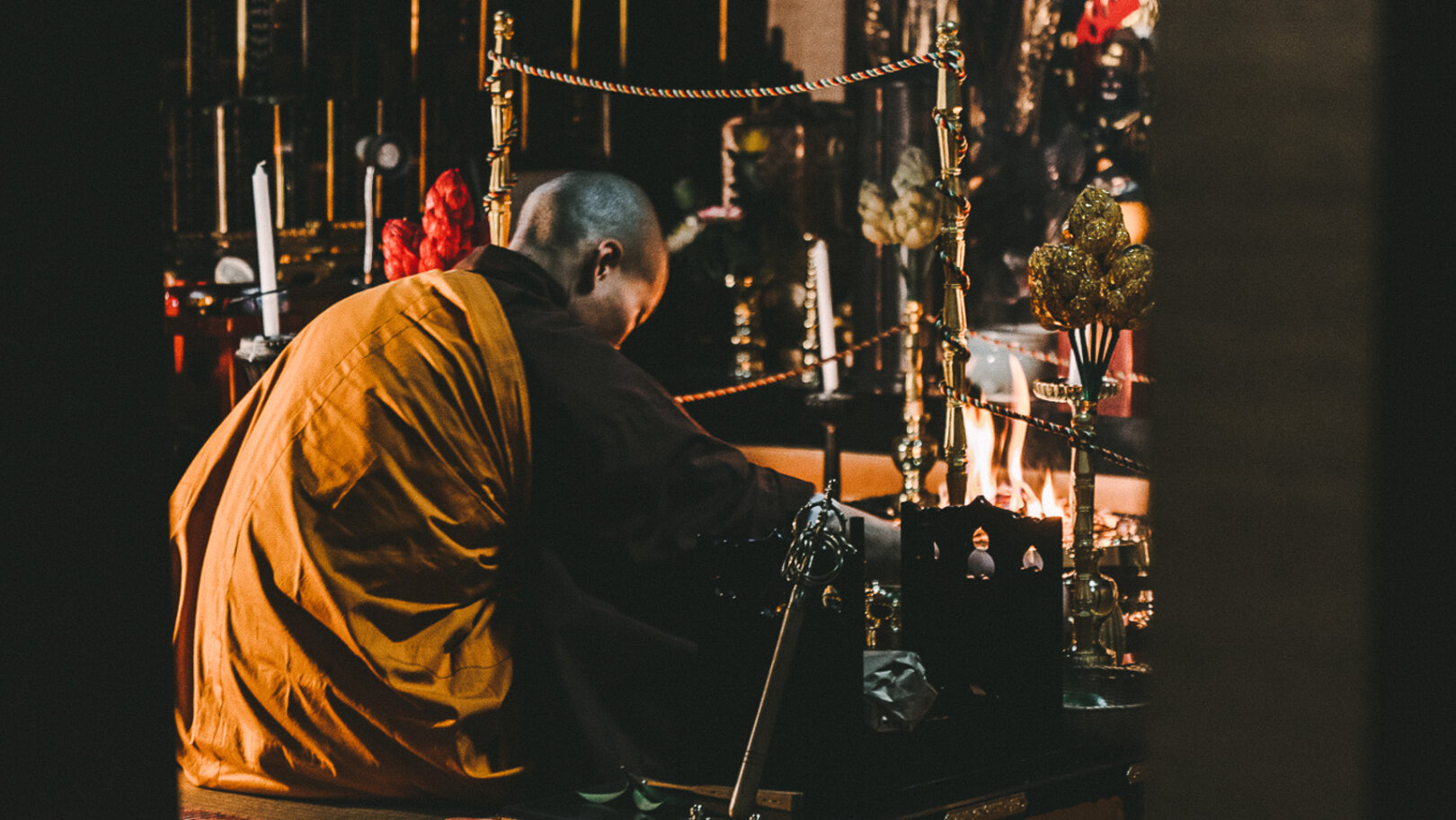
In Japan, ikigai is your driving force and your purpose; the things that get you out of bed in the morning. It’s often understood by a Western audience as the point at which these four factors overlap:
- What you love
- What you are good at
- What the world needs
- What you can be paid for
Psychiatrist Mieko Kamiya, who wrote a landmark book on the meaning of ikigai, says the notion expands slightly beyond happiness.
Identifying your ikigai means you can look to the future, even if you’re unhappy in the here and now, he explains to the BBC. It’s about feeling that you and your work can make a difference to the world, and being continually motivated to make that difference happen.
In Japan, ikigai is your driving force and your purpose
If ikigai sounds a little vague, its benefits are the opposite. A seven-year study of 43,000 participants by the Tohoku University Graduate School of Medicine in Sendai, Japan, found that those who practised ikigai were more likely to be alive seven years later – even after factoring in lifestyle variables such as smoking and exercise.
The message is clear: identify what fires you up, personally and professionally, and act upon it to derive your very own sense of ikigai.

Connecting with nature in Bhutan
Bhutan is the only country on earth to set an official agenda for the happiness of its citizens. Since 1971, this Himalayan mountain kingdom has rejected the gross domestic product as the only way to measure progress, and instead places emphasis on gross national happiness (GNH).
In a place where wellbeing is placed over and above material growth, the landlocked region takes the happiness of its nation seriously; despite some rural poverty and educational disparities.
Bhutan’s approach is more a philosophy rather than a reality – it cannot make every single person happy – yet the aspiration alone counts. One of the main ways it encourages fulfillment is via self-awareness and acceptance, as the country’s original happiness guru (yes, it’s a job) explains.

“People often ask me ‘if my friend is dying in the hospital bed, how can I be happy?'” Dr. Saamdu Chetri, who served as director of Bhutan’s Gross National Happiness Centre for nearly a decade, tells The Age. “And I tell them happiness is not to giggle, not to laugh, not to crack jokes. Happiness is to remain with yourself, connecting your mind, your body and your thoughts together, calming down.
“When you are calm you are able to send prayers to your friend who is dying in the hospital bed and you’re still living with that happy state of mind. If you live in the present moment, whatever situation comes to you, you learn to live very calmly and connected to yourself.”
To achieve this, Dr. Chetri says, creating a connection with nature and the great outdoors is key. “When you are depressed or anxious and you go to the ocean or to a forest you very quickly calm down because the organisms within you connect with the organisms that are out there,” he says.
“When we destroy our nature, there is no connection and we live very separately, so it pains you. When two elements are joined and you try to cut that, you will feel that pain – a lessness, an emptiness in yourself.”
When you go to the ocean or to a forest, you very quickly calm down
There’s a practical side to this, too: Bhutan works hard to preserve its natural resources and ranks as one of the world’s most environmentally sustainable countries. Its government has banned export logging, decreeing that at least 60% of its landmass will remain under forest cover forever (which also explains why Bhutan holds the rare accolade of being a carbon-negative nation).
In addition, much of Bhutan’s electricity comes from hydropower, and children are taught environmental protection as part of the school curriculum. Bhutan hopes these policies will grow an equal and sustainable society of people who find happiness in the natural world that surrounds them.
To draw inspiration from this approach to life, make time for community gardening, outdoor fitness classes or long walks in nature – as a proven recipe for enhanced mood.

Families and festivities in Brazil
Modern times have seen the erosion of close-knit family units, but Brazilians continue to place a high premium on the importance of loved ones.
As the Brazilian tourist board explains, this doesn’t necessarily mean relatives but anyone who you cherish and consider part of your crew (so to speak). “Family comes first to Brazilians,” reads a post on visitbrasil.com. “Grandfathers, grandmothers, aunts and uncles often live together in extended family groups. But the concept of ‘family’ does not end here… everyone joining the regular family gatherings is considered as family, a blood relation is of lesser importance.”
“Brazilians are very warm and people-orientated by nature; we love to be around friends and family, and we have a very mixed culture, too,” adds Brazilian artist Camila Pinheiro.

According to the Huffington Post, this derives from “parentela”, a concept hailing from northeast Brazil in which large, intimate groups are held together around extended families and friends.
“Naturally, as is true in contemporary cultures the world over, families are growing smaller and more spread out,” it says. “… But there remains a strong sense of family unity and connection in Brazilian culture.”
Grown-up men and women often live close to their parents, and cousins, aunts, uncles and in-laws interact daily with one another. Among the urban middle class, it’s not unusual for the notion of “family” to therefore extend well beyond people living under the same roof. Loved ones may have their own homes or apartments, but stay close, see each other often, share meals, help with the children and generally remain a big part of each other’s everyday lives.
The Brazilians always have a good excuse for a party
If that sounds like your idea of hell, consider that it’s more about being surrounded by your nearest and dearest; with an honorary family of friends, perhaps.
And to celebrate these close-knit ties, Brazil has a culture of celebration at its core. It may sound like a cliche, but the three F’s – Família, Futebol & Festa – are all key to its national spirit of exuberance. “On squares, alleys, on the boulevard, throughout Brazil you will hear the sultry rhythms of the samba,” says visitbrasil.com. “The Brazilians are born singing and dancing and always have a good excuse for a party.”
This carefree joie de vivre is seen in the annual Carnival, of course, but also New Year’s Eve festivities (known as Reveillon) and countless other parties that happen practically every other day in Brazil. The upshot? For a dash of happiness Brazilian-style, keep your loved ones close and use any excuse going for a party. Oh, and you could throw football in there, too…
Photos: Rachel Ross/ Flash Pack, Unsplash, Ryan Shaw