


 Recently viewed
 Best small group tours to Antarctica 2027
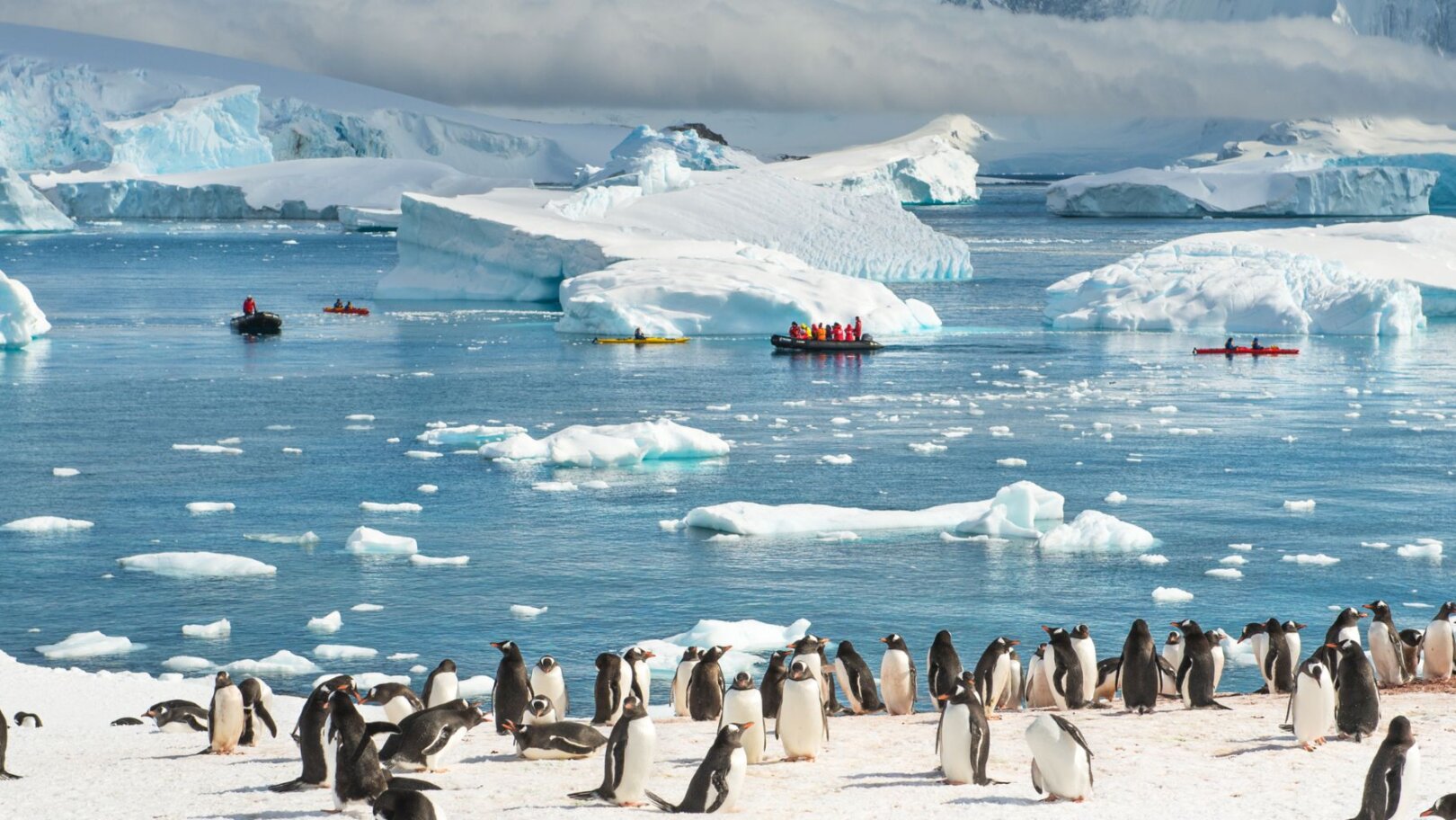
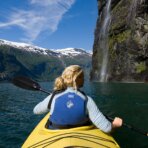
Antarctica is one of the few destinations that can still feel genuinely beyond the ordinary. Monumental icebergs drift through steel-blue water, penguin colonies stretch across remote shores and whales surface beside Zodiac boats against a backdrop of mountains, glaciers and seemingly endless white.
It is also a significant investment. With many premium Antarctic expeditions costing upwards of US$21,000, choosing the right journey matters. The headline experiences may look similar – wildlife encounters, Zodiac excursions, icebergs and landings on the White Continent – but the character of each trip can be very different.
Some journeys are designed around a close-knit social group, others prioritize wildlife expertise, active exploration or access to rarely visited regions. The route, ship, group structure and specialist inclusions can ultimately shape the experience just as much as the destination itself.
TL;DR
For a quick comparison, these are the five small group Antarctica tours featured in this guide.
Flash Pack – Antarctica: the Final Frontier – Best for solo travelers in Antarctica. A premium Antarctic Peninsula adventure for solo guests aged 30-49 or 50-65, with a maximum group size of 16.
Wildfoot Travel – Ross Sea Odyssey – Best for exploring the remote Ross Sea. A long-form expedition from New Zealand into one of Antarctica’s least visited regions.
Naturetrek – The Falklands, South Georgia & Antarctica – Best for expert-led wildlife encounters. An exclusive wildlife charter accompanied by specialist naturalists.
HX Expeditions – Antarctica & Falklands Expedition – Best for active Antarctic exploration. A wide-ranging expedition with opportunities for hiking, kayaking, ice cruising and potentially camping on the snow.
Exodus Adventure Travels – Antarctica by Helicopter: Crossing the Circle and the Peninsula – Best for seeing Antarctica from the air. A polar expedition combining Peninsula exploration with helicopter flightseeing and an Antarctic Circle crossing.
Who this guide is for
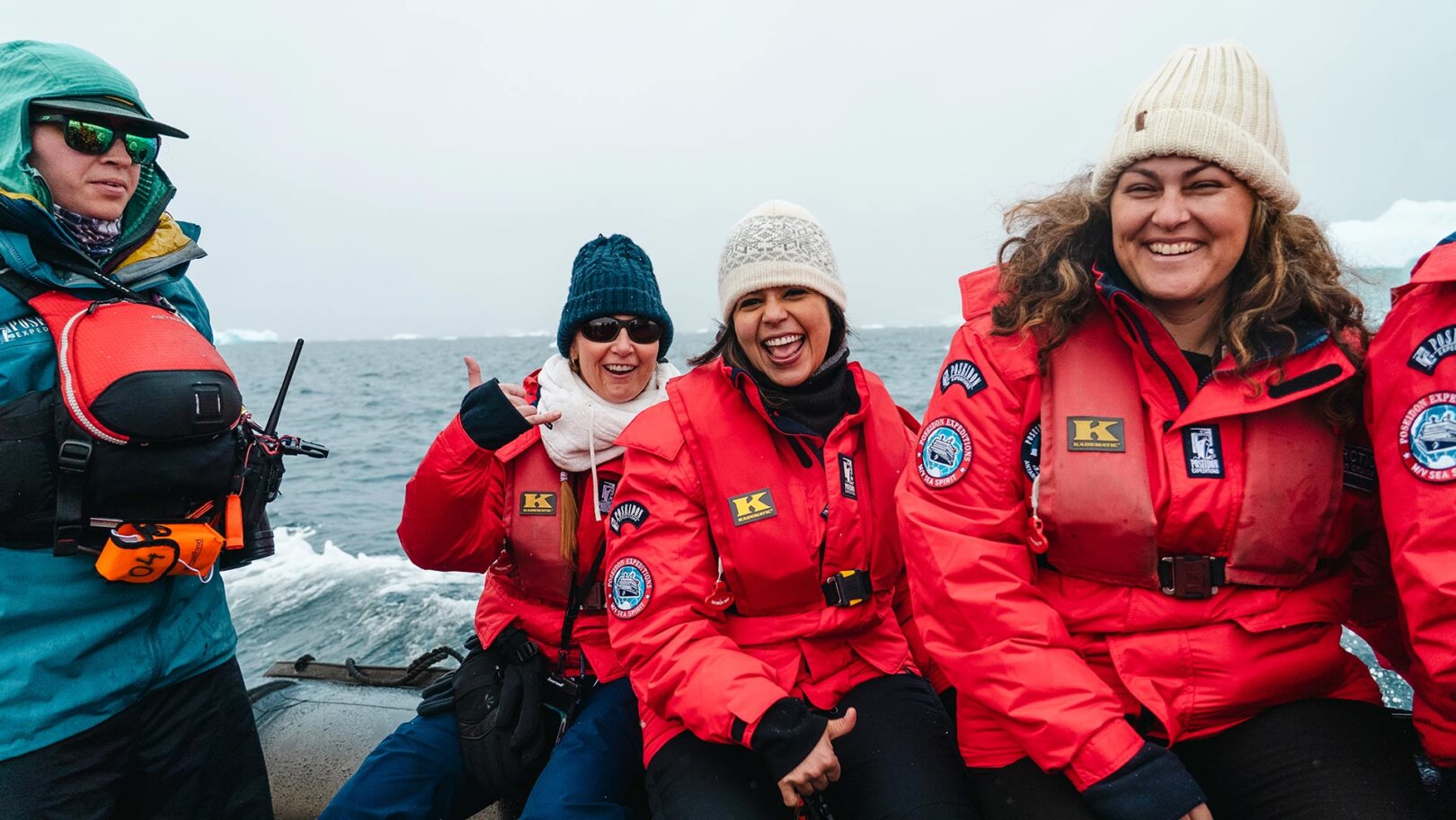
This guide is designed for anyone who has decided Antarctica belongs on their travel list but wants to look beyond the destination itself before choosing how to experience it.
We have concentrated on smaller expedition vessels and specialist voyages rather than large-scale cruise ships. In some cases, that means traveling as part of a defined small group within a wider expedition community. In others, the ship itself provides the principal group experience.
The essentials are naturally impressive across the board – vast ice formations, penguins, whales, Zodiac excursions and the possibility of setting foot on the Antarctic continent. The more useful comparison lies in what surrounds those moments, from group dynamics and expedition expertise to ship size, routes, specialist activities and the amount of time spent exploring more remote regions.
Best small group tours to Antarctica compared
| Best for | Company | Small group structure | Highlights | Route |
|---|---|---|---|---|
| Solo travel in Antarctica | Flash Pack | Max 16 Flashpackers, max 114 passengers aboard | Photography workshops, daily Zodiac excursions | Buenos Aires, Ushuaia, Drake Passage, Antarctic Peninsula |
| Exploring the remote Ross Sea | Wildfoot Travel | Small expedition cruise | Ross Sea, Subantarctic Islands | New Zealand, Subantarctic Islands, Ross Sea |
| Expert-led wildlife encounters | Naturetrek | Exclusive wildlife charter, 109 berths | Expert naturalists, science focus | Ushuaia, Falklands, South Georgia, Antarctic Peninsula |
| Active Antarctic exploration | HX Expeditions | Expedition cruise with 200 guests | Kayaking, hiking, snow camping | Punta Arenas, Antarctic Peninsula, Falklands, Buenos Aires |
| Seeing Antarctica from the air | Exodus Adventure Travels | Guided expedition group aboard ship | Helicopter flights, Antarctic Circle | Buenos Aires, Ushuaia, Drake Passage, Antarctic Peninsula, Antarctic Circle |
Best for: solo travelers in Antarctica
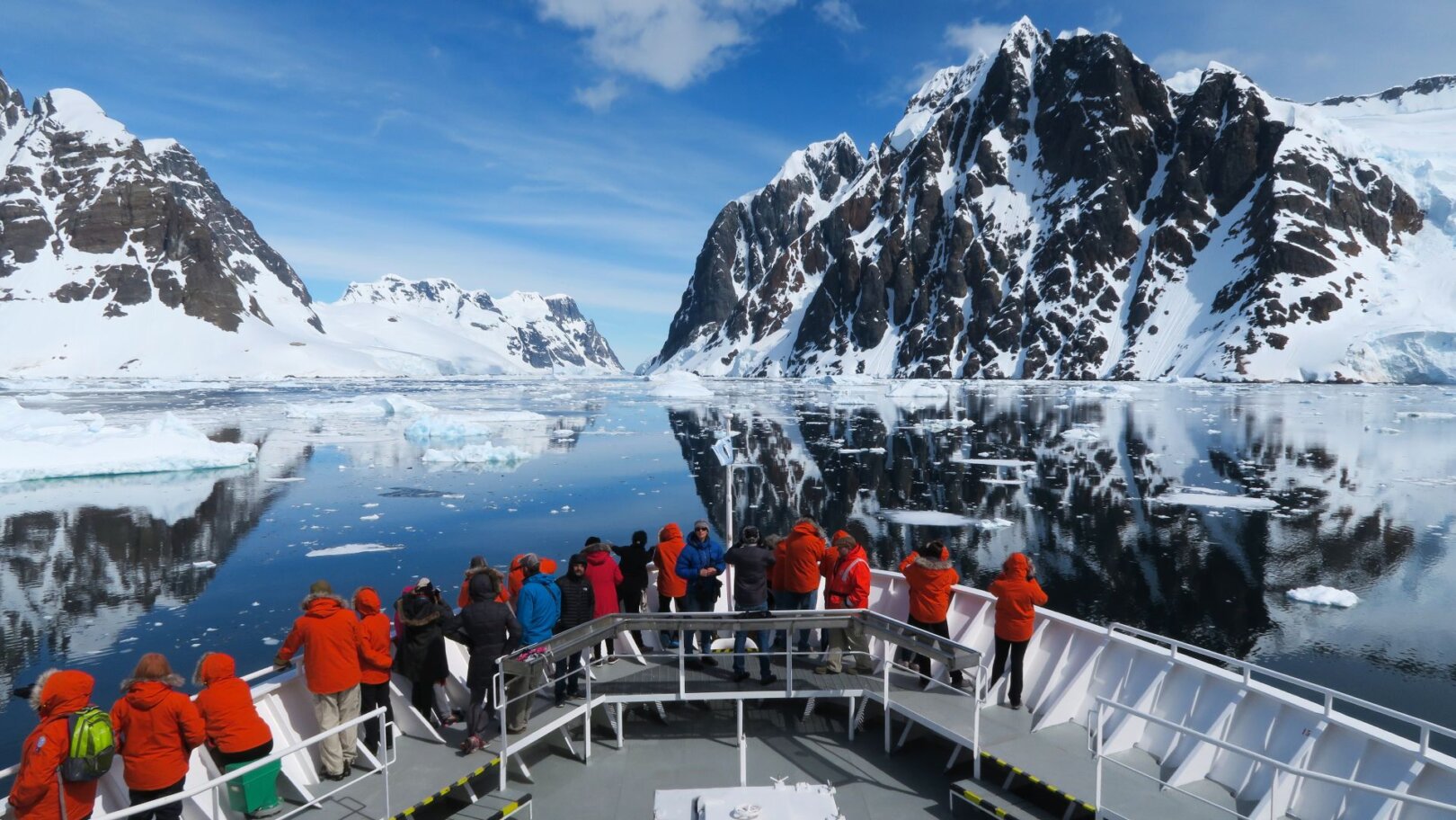
Flash Pack’s Antarctica: the Final Frontier pairs the classic Antarctic Peninsula expedition with one of the things that can be surprisingly difficult to find at this level of travel – a consistent group of solo guests at a similar stage of life with whom to share it.
Rather than simply booking a cabin on an expedition ship and meeting whoever happens to be onboard, participants begin the adventure together in Buenos Aires and continue south as a defined Flash Pack group. For a destination filled with once-in-a-lifetime moments, that continuity adds another dimension to the experience.
The Travel Experience
This is a premium 15-day group adventure combining Argentina with an 11-day Antarctic expedition cruise. The itinerary brings together the great signatures of a first Antarctic voyage – the Drake Passage, wildlife encounters, daily Zodiac excursions and landings amid the Peninsula’s immense landscapes – alongside professional photography experiences and time to settle into the rhythm of life onboard.
The wider Flash Pack model is built specifically around premium adventures for solo guests, with curated experiences and group connection forming an important part of the journey.
The Group Experience
Flash Pack adventures are divided into age groups of 30-49 and 50-65, with a maximum of 16 Flashpackers per group.
Antarctica operates slightly differently from a typical land-based Flash Pack itinerary. Your core group meets in Buenos Aires and travels together throughout, before joining the wider community aboard a small expedition ship carrying no more than 114 passengers.
It is a particularly appealing structure for solo guests. There is a familiar group to return to after landings, share meals with onboard and exchange impressions with as the expedition unfolds, while the ship environment introduces a broader international mix of passengers.
Route into Antarctica
The adventure begins in Buenos Aires before heading south to Ushuaia, one of the world’s principal gateways to Antarctica. From here, the ship crosses the Drake Passage towards the South Shetland Islands and Antarctic Peninsula.
It is the classic maritime approach to the White Continent and particularly well suited to first-time Antarctic visitors who want the landscapes, wildlife and shore landings for which the Peninsula is renowned.
The expedition ship
The expedition portion takes place aboard a four-star vessel carrying up to 114 passengers – intimate by Antarctic cruising standards and substantially smaller than a mainstream cruise ship.
Flash Pack includes 11 days onboard, with comfortable suites and communal spaces designed for the considerable amount of time guests naturally spend at sea. An on-deck jacuzzi provides a rather civilized counterpoint to days spent among ice, wind and snow.
Trip Highlights
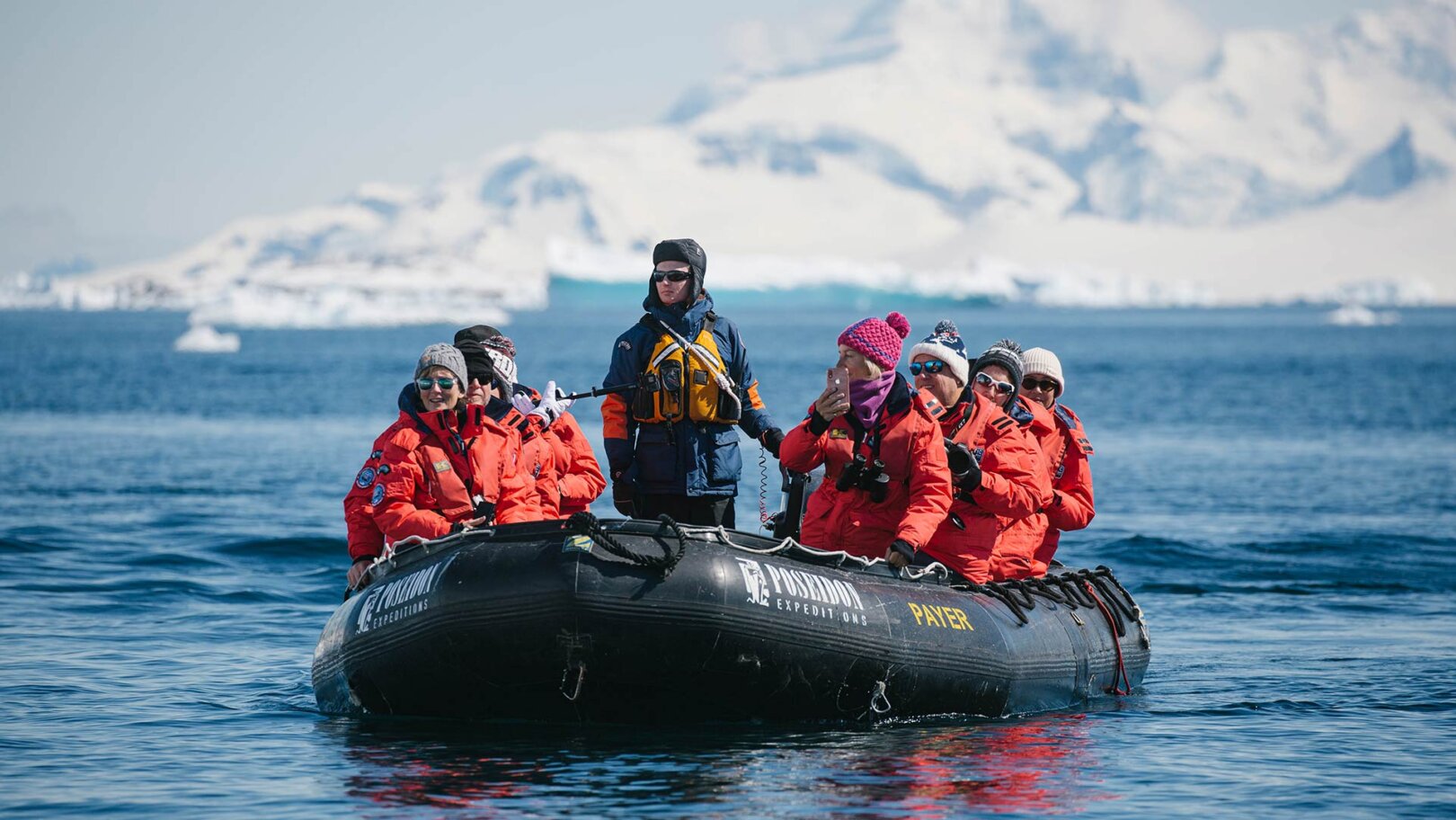
- Glide past colossal icebergs on daily Zodiac boat excursions
- Get up-close to wildlife including vast penguin colonies, minke whales, leopard seals and orcas
- Set foot on the Seventh Continent and have your photo taken with the Antarctic flag
- Spend time with a professional photographer, who will show you how to use composition and framing to take amazing photos of the snowy wilderness
Who Is This Best For?
Solo guests aged 30-49 or 50-65 who want the social experience to matter as much as the destination. It is particularly well suited to those who would prefer to arrive with an established small group rather than navigate the ship community entirely independently.
The professional photography element also gives the itinerary additional appeal for anyone who wants to return with images worthy of a destination this visually extraordinary.

Best for: exploring the remote Ross Sea
Wildfoot Travel’s Ross Sea Odyssey is the most geographically distinctive expedition in this selection. Rather than following the familiar South American route towards the Antarctic Peninsula, it approaches the continent from New Zealand and ventures into the far more remote Ross Sea.
For guests who regard the journey itself as part of Antarctica’s appeal, this is an expedition with genuine depth. It demands more time, but in return reaches places encountered by only a fraction of Antarctic visitors.
The Travel Experience
This 25-day voyage is a long-form polar expedition shaped by remoteness, wildlife, maritime exploration and Antarctic history. The emphasis is less on reaching Antarctica as efficiently as possible and more on experiencing the scale and isolation of the Southern Ocean.
The journey incorporates New Zealand’s Subantarctic Islands before continuing into the Ross Sea, creating a markedly different proposition from the more commonly travelled Peninsula itineraries.
The Group Experience
This is primarily an expedition ship community rather than a defined age-matched group. Depending on departure, the itinerary lists Greg Mortimer or Douglas Mawson as its vessel.
Greg Mortimer accommodates 132 guests, while Douglas Mawson carries a maximum of 154, reduced to 130 on expedition voyages. That makes both ships relatively intimate in expedition cruising terms while still offering enough scale for extensive facilities and a varied onboard community.
Single cabins are available, while selected departures currently offer dedicated solo staterooms without a single supplement, making the voyage worth investigating for independent guests who prefer their own space.
Route into Antarctica
The route is the defining feature. Rather than sailing from South America to the Antarctic Peninsula, the expedition begins in Dunedin, New Zealand, and travels through the country’s remote Subantarctic Islands before crossing the Antarctic Convergence and continuing towards the Ross Sea.
The region is associated with some of the great chapters of polar exploration and remains considerably less visited than the Antarctic Peninsula.
Christchurch is one of the world’s five recognized Antarctic gateway cities and has particularly strong connections with the Ross Sea and East Antarctica, although individual expedition voyages can depart from other New Zealand ports including Dunedin and Bluff.
The expedition ship
Depending on the departure, guests sail aboard Greg Mortimer or Douglas Mawson.
Greg Mortimer accommodates 132 passengers and features an ice-strengthened hull, Zodiac launching platforms, observation areas, a library, wellness centre, gym, sauna and spa.
Douglas Mawson carries up to 154 guests, reduced to 130 on expedition voyages, and includes a heated outdoor pool, two Jacuzzis, gym, sauna, Citizen Science Centre and two restaurants.
Trip Highlights
- Explore New Zealand’s remote Subantarctic Islands, home to remarkable biodiversity and a number of rarely seen species
- Journey through the spectacular Ross Sea, one of Antarctica’s most remote and seldom-visited regions
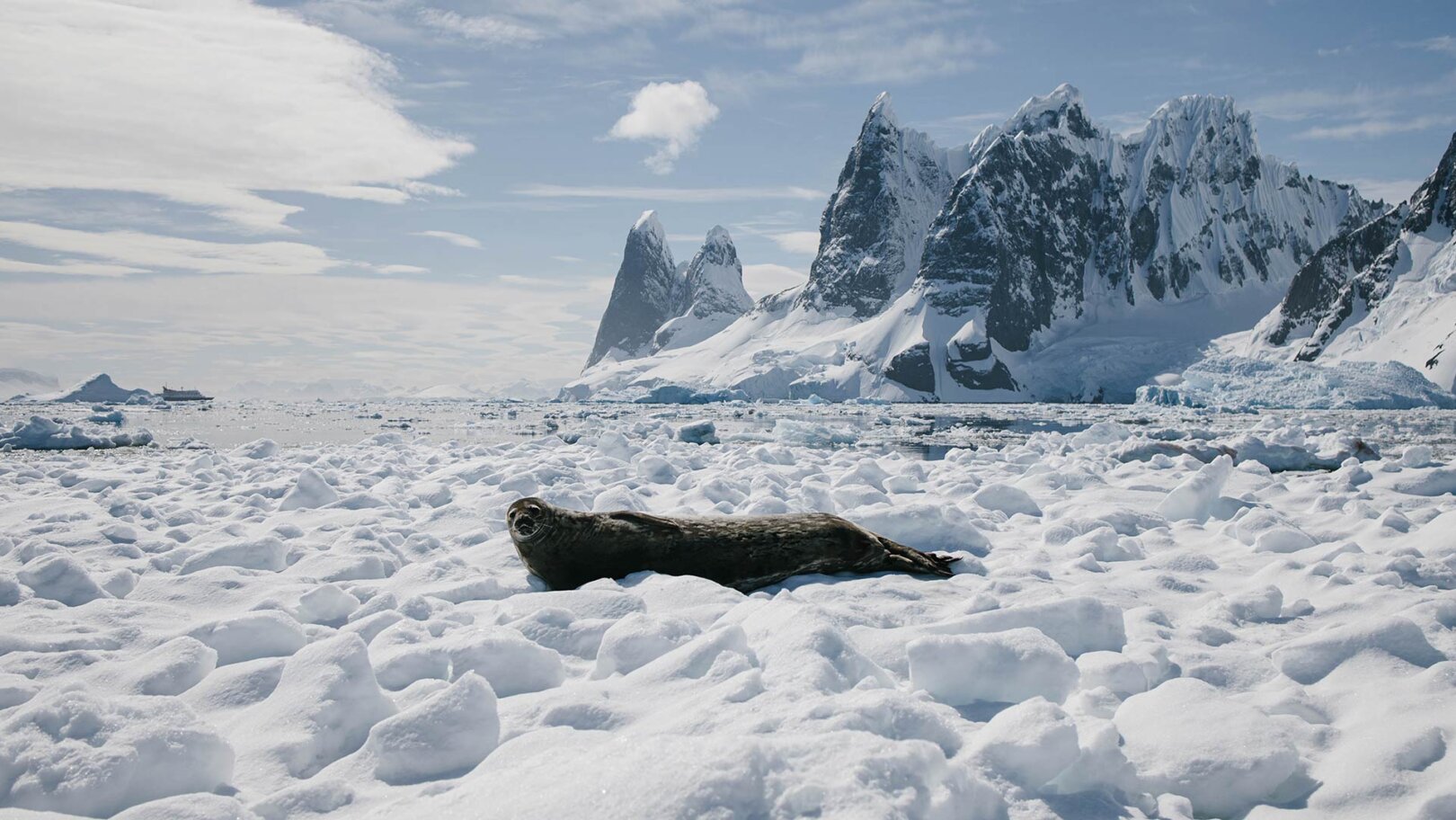
- Look out for abundant wildlife, including up to eight penguin species, Weddell and leopard seals, whales and countless seabirds
Who Is This Best For?
Guests with the time and budget to go considerably beyond a classic first-time Antarctic itinerary. It has particular appeal for experienced polar visitors, enthusiasts of expedition history and those drawn to destinations precisely because relatively few people reach them.
Best for: expert-led wildlife encounters
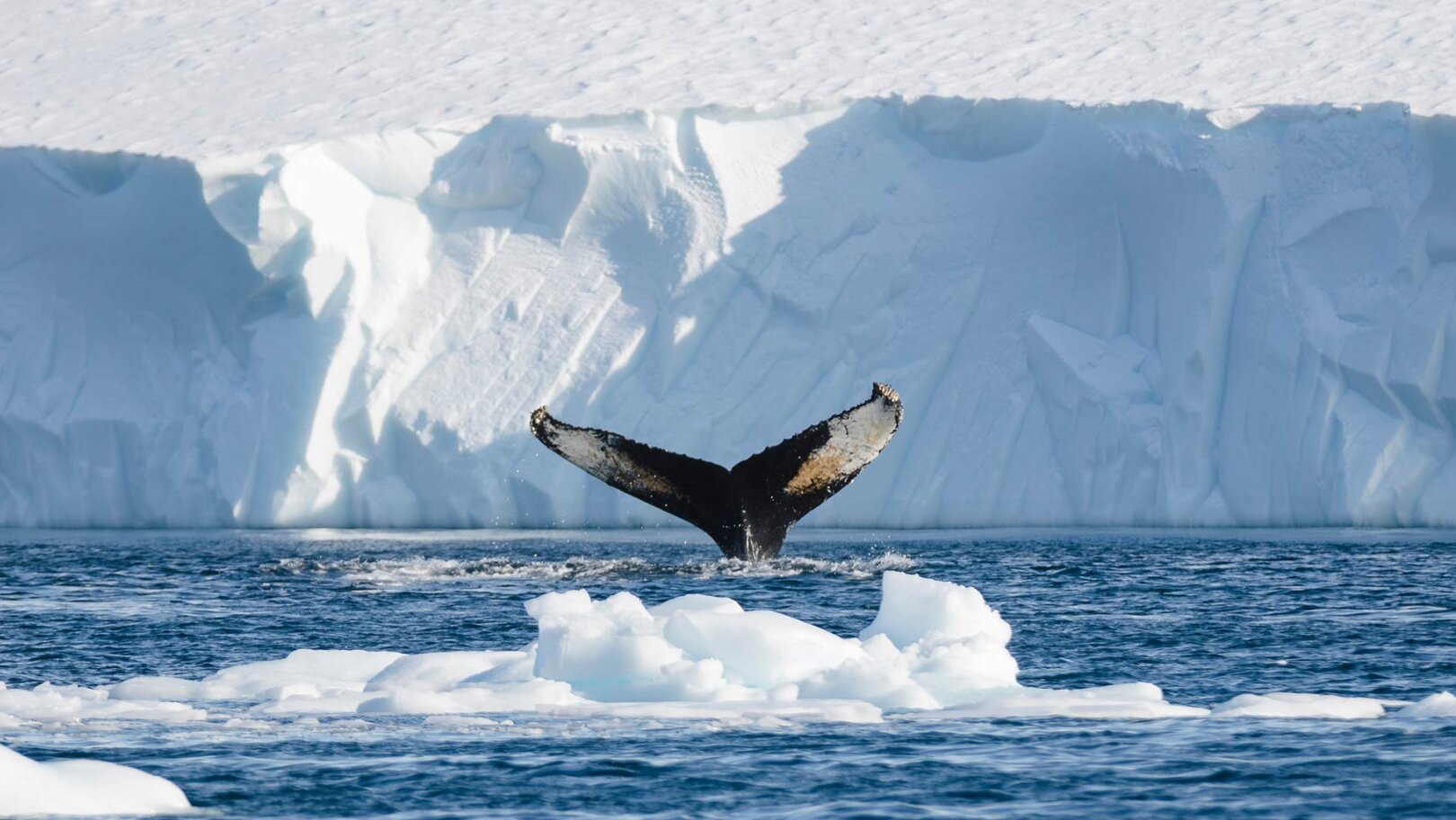
Naturetrek’s The Falklands, South Georgia & Antarctica places wildlife and natural history at the centre of the expedition. An exclusive ship charter and specialist naturalist leaders create an experience designed for guests who want to understand what they are seeing rather than simply admire it.
Its inclusion of the Falklands and South Georgia also broadens the wildlife experience significantly beyond a standard Antarctic Peninsula voyage.
The Travel Experience
This is a 24-day wildlife-focused expedition incorporating the Falkland Islands, South Georgia and Antarctic Peninsula, including a 19-night voyage with substantial time devoted to bird and mammal watching.
The itinerary is particularly comprehensive for those interested in the biodiversity of the Southern Ocean, moving through several distinct ecosystems before reaching Antarctica itself.
The Group Experience
Naturetrek’s January 2027 departure is unusual because the company has exclusively chartered the entire MV Plancius.
Rather than joining a vessel occupied by several unrelated tour groups, participants travel aboard a ship reserved for the Naturetrek expedition and accompanied by the company’s own specialist naturalist leaders.
The vessel has 109 berths, giving the journey a relatively intimate expedition environment while allowing the specialist focus to extend throughout the onboard experience.
Route into Antarctica
Guests fly to Ushuaia before sailing first to the Falkland Islands and then onwards to South Georgia. From there, the voyage continues towards the South Orkney or South Shetland Islands before reaching the Antarctic Peninsula.
It is a considerably more extensive Southern Ocean journey than the standard Peninsula route, and South Georgia in particular adds another exceptional wildlife destination to an already ambitious itinerary.
The expedition ship
MV Plancius is an ice-strengthened expedition vessel with 109 berths and private bathroom facilities in every cabin.
One of its most useful practical advantages is its Zodiac capacity. There are sufficient boats for all passengers to leave the ship simultaneously, helping maximise time ashore when conditions allow – an important consideration on an expedition where landings form such a central part of the experience.
Trip Highlights
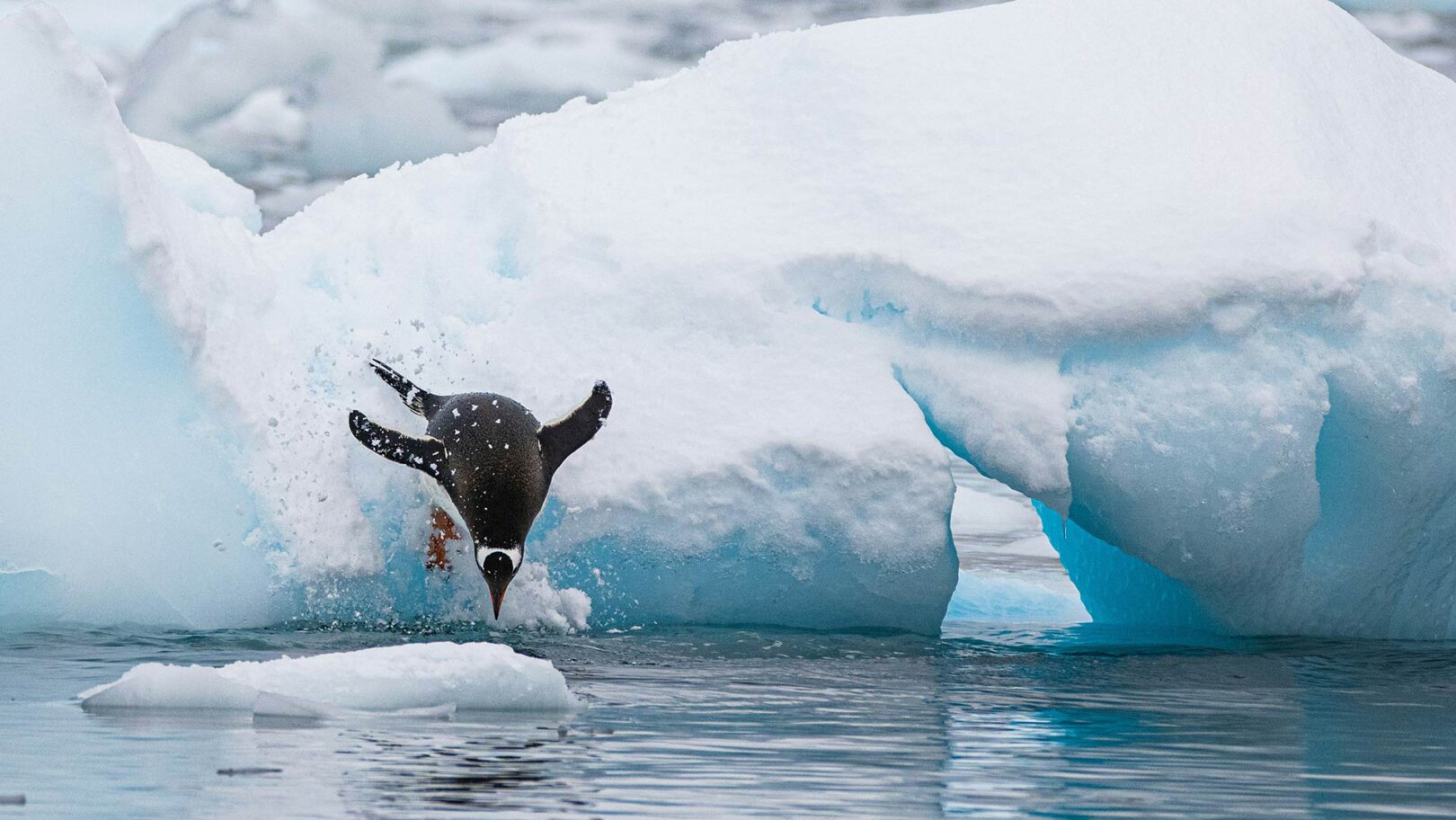
- Visit colonies of Chinstrap, Adélie, and Gentoo penguins across the Antarctic Peninsula
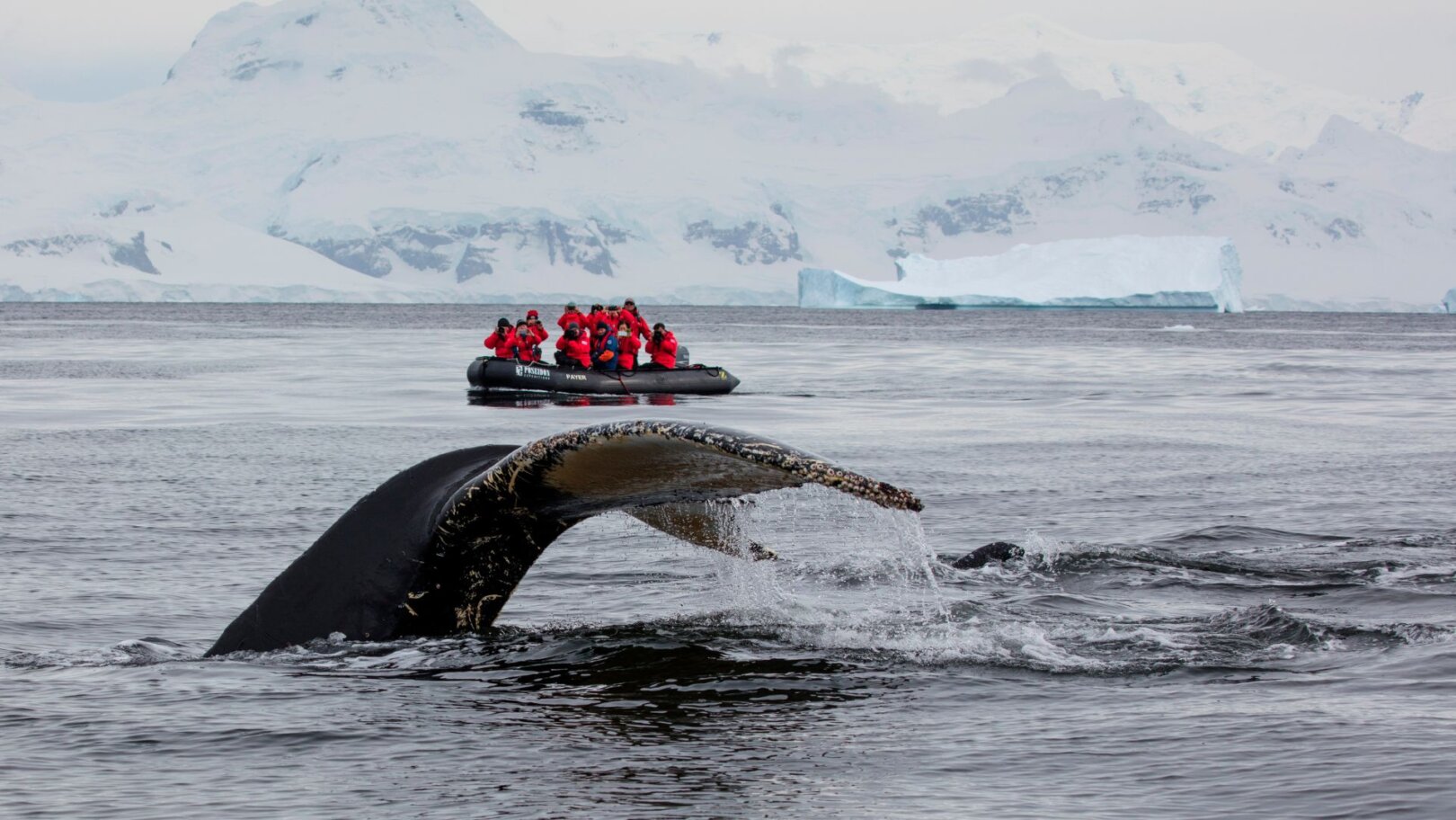
- Keep an eye out for marine mammals including Orcas, Humpback Whales and Commerson’s Dolphins
- Travel alongside expert Naturetrek naturalists and experienced expedition leaders
Who Is This Best For?
Wildlife enthusiasts, birders and guests who want specialist interpretation to be woven into the entire journey.
The exclusive charter is another distinguishing feature. It creates a more cohesive expedition environment for participants who value traveling alongside others with a similarly serious interest in wildlife and natural history.
Best for: active Antarctic exploration
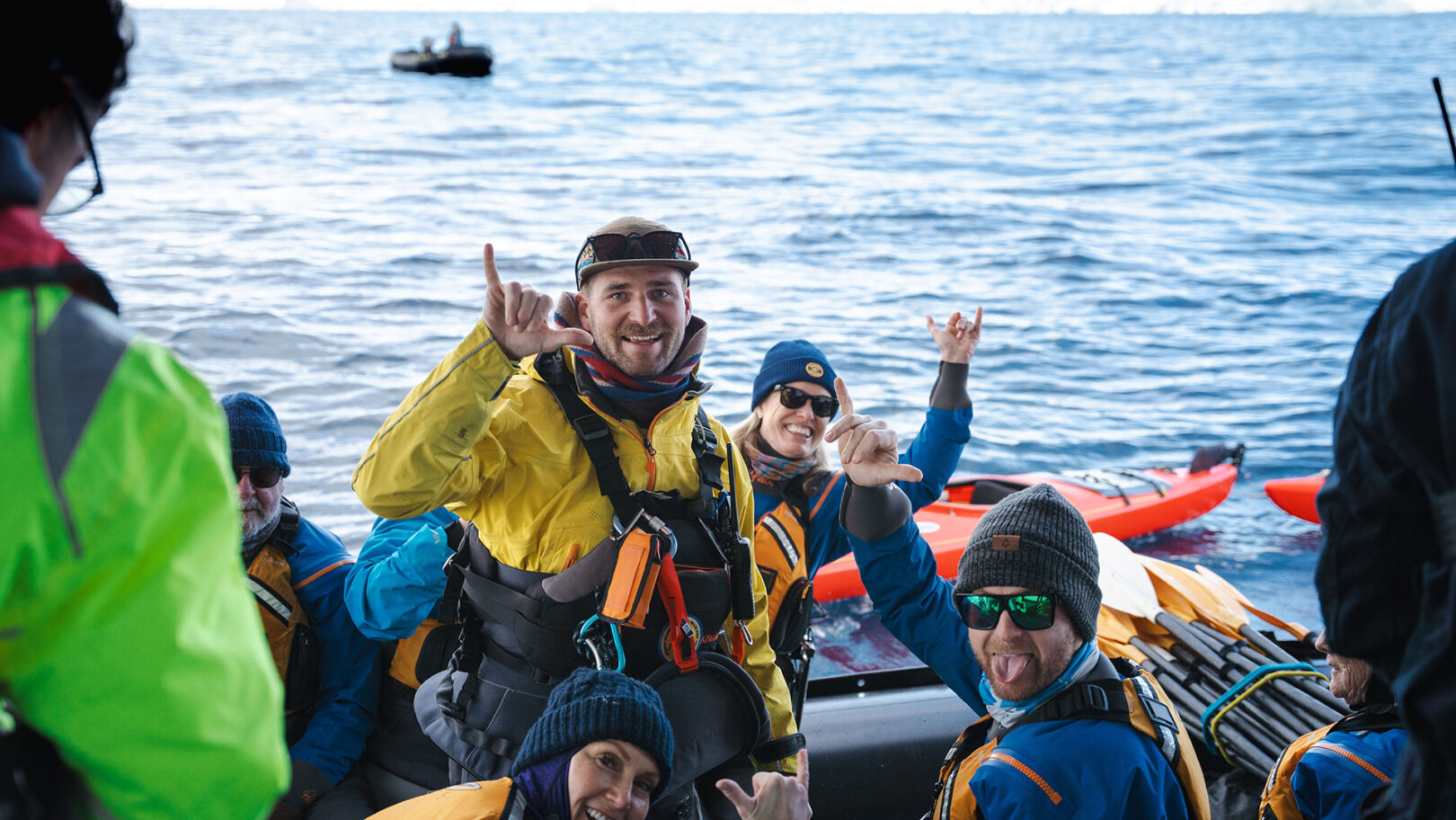
HX Expeditions’ Antarctica & Falklands Expedition gives participants multiple ways to engage with the polar environment, with opportunities to hike, kayak, ice cruise and potentially camp overnight on the Antarctic snow.
Rather than treating the landscape as something to observe primarily from the ship, the itinerary places considerable emphasis on getting out into it whenever conditions allow.
The Travel Experience
This 24-day expedition begins in South America and combines Antarctica with the Falkland Islands before continuing through Patagonia towards Buenos Aires.
Ten days are dedicated to exploring Antarctica, giving the expedition team considerable scope to respond to weather, sea ice and wildlife conditions when deciding where guests can land and what activities are possible.
The Group Experience
HX places greater emphasis on the wider onboard community than on maintaining a separate fixed touring group.
The company actively caters for solo guests through welcome events and communal dining opportunities, while allowing participants to choose how social or independent they would like their voyage to be.
MS Fram accommodates 200 guests. That is larger than some of the vessels elsewhere in this guide but remains modest compared with mainstream cruise ships.
Route into Antarctica
After flying from Santiago, guests embark in Punta Arenas, Chile, one of the five major Antarctic gateway cities.
Some voyages from Punta Arenas use a fly-cruise format, flying across the Drake Passage to King George Island. This particular itinerary takes a different approach, boarding MS Fram in Punta Arenas and sailing south towards Antarctica.
After exploring the Antarctic region, the expedition continues towards the Falkland Islands and eventually Buenos Aires.
The expedition ship
Purpose-built MS Fram has 119 cabins and capacity for 200 guests.
Facilities include an upgraded Science Centre, Explorer Lounge & Bar, gym, sauna and two outdoor hot tubs. Its Science Centre is particularly notable for participants interested in the research and environmental context behind the landscapes they are exploring.
Trip Highlights
- Spend 10 days cruising the White Continent, entering the region via Chile’s Punta Arenas route, and enjoying spectacular sunsets
- Explore a selection of landing sites across the South Shetland Islands and Antarctic Peninsula, with each day shaped by the best conditions and opportunities
- Join the HX expedition team for hiking, kayaking and ice cruising, with the possibility of camping overnight on the Antarctic snow
Who Is This Best For?
Guests who want a broader menu of active experiences on top of Zodiac cruising and shore landings.
Best for: seeing Antarctica from the air
Exodus Adventure Travels’ Antarctica by Helicopter: Crossing the Circle and the Peninsula offers a perspective few Antarctic itineraries can match, combining exploration at sea level with the opportunity to take in the continent’s immense scale from the air.
The addition of an Antarctic Circle crossing makes this an especially ambitious Peninsula itinerary, continuing substantially farther south than many first-time expeditions.
The Travel Experience
This 14-day guided polar journey combines the Antarctic Peninsula, Zodiac excursions, an Antarctic Circle crossing and helicopter-supported exploration.
Despite the adventurous setting, Exodus rates the activity level as “easy”, making it an interesting option for guests seeking a more unusual Antarctic itinerary without committing to a highly strenuous expedition.
The Group Experience
Exodus Adventure Travels groups typically range from 8 to 16 people, with a usual average of 10 to 12 participants.
During the expedition portion, group members also become part of the wider community aboard Ultramarine. This creates a combination of smaller-group touring and the more expansive social environment of a specialist polar vessel.
Route into Antarctica
The adventure begins in Buenos Aires before a flight to Ushuaia and the onward voyage across the Drake Passage.
After reaching the South Shetland Islands and Antarctic Peninsula, the ship continues farther south to cross the Antarctic Circle at 66°30′ South, with exploration around areas including Crystal Sound and Marguerite Bay.
For guests interested in the significance of traveling beyond the usual Peninsula circuit, crossing the Circle provides a memorable geographical milestone.
The expedition ship
Ultramarine is a purpose-built polar expedition vessel accommodating up to 199 guests.
Its defining features are two twin-engine helicopters and two heliports, alongside 20 quick-deploy Zodiacs. The vessel also has a spa and sauna, providing welcome comfort after time spent exploring outside.
The helicopters are the crucial distinction, opening up perspectives and potential access that are simply unavailable on a standard Zodiac-led expedition.
Trip Highlights
- Join the small number of travelers who venture beyond the Antarctic Circle at 66°30′ South
- Take to the skies on at least two included helicopter flightseeing excursions
- Take part in a heli-landing amid Antarctica’s dramatic coastal mountains
Who Is This Best For?
Guests looking for the essential elements of a classic Antarctic expedition with a genuinely distinctive addition.
Helicopter flightseeing provides an entirely different sense of the continent’s scale, while the journey beyond the Antarctic Circle takes the expedition farther south than many Peninsula voyages.
As with almost everything in Antarctica, helicopter operations remain dependent on weather and local conditions.
FAQs
What are the main gateways to Antarctica?
There are five internationally recognized Antarctic gateway cities – Ushuaia in Argentina, Punta Arenas in Chile, Christchurch in New Zealand, Hobart in Australia and Cape Town in South Africa.
Each is associated with access to different sectors of the continent, so the gateway used will depend heavily on the route and style of expedition.
| Gateway | Best known for | Typical route |
| Ushuaia, Argentina | The classic and most popular visitor route | Drake Passage, South Shetland Islands, Antarctic Peninsula |
| Punta Arenas, Chile | Peninsula expeditions and fly-cruise options | Sail south or fly to King George Island before joining an expedition ship |
| Christchurch, New Zealand | Ross Sea and East Antarctica | Ross Sea, Ross Ice Shelf, McMurdo Sound and surrounding regions |
| Hobart, Australia | East Antarctica | East Antarctic expeditions, including voyages towards Commonwealth Bay |
| Cape Town, South Africa | Dronning Maud Land and specialist expeditions | Flights and expeditions into the Atlantic sector of Antarctica |
Puerto Williams in Chile and Bluff and Dunedin in New Zealand also appear as departure ports on individual Antarctic itineraries. They can serve as practical embarkation points.
What is the most common route to Antarctica?
The classic approach begins in Ushuaia at the southern tip of Argentina before crossing the Drake Passage to the South Shetland Islands and Antarctic Peninsula.
The Peninsula is the most accessible part of Antarctica for expedition cruising and delivers many of the experiences first-time visitors associate most strongly with the continent – immense ice formations, wildlife, Zodiac excursions and opportunities to step ashore.
Can you avoid crossing the Drake Passage?
Yes. Some itineraries operating through Punta Arenas use a fly-cruise model, carrying guests by air across the Drake Passage to King George Island before they board an expedition vessel.
This can substantially reduce the amount of open-ocean sailing involved.
Not every Punta Arenas departure follows this model, however. The HX itinerary featured in this guide boards MS Fram in Punta Arenas and sails south towards Antarctica.
What is the Ross Sea route to Antarctica?
The Ross Sea lies on the opposite side of the continent from the Antarctic Peninsula and is generally reached on considerably longer expeditions from New Zealand.
These voyages can incorporate New Zealand’s Subantarctic Islands alongside locations associated with the history of Antarctic exploration. Wildfoot’s 25-day itinerary, for example, spends several days crossing the Southern Ocean before exploring the Ross Sea region.
It is a much less conventional option than the Peninsula and particularly suits guests who place a premium on remoteness, expedition history and reaching places visited by relatively few people.
Is Hobart a gateway to Antarctica?
Yes. Hobart is one of the world’s five recognised Antarctic gateway cities and is principally associated with access to East Antarctica.
The city is also an important center for Antarctic research, science and logistics.
Is Puerto Williams a gateway to Antarctica?
Puerto Williams is increasingly used as an embarkation point for Antarctic expedition ships, particularly smaller vessels operating from the Chilean side of Tierra del Fuego.
However, within the specifically recognized group of five international Antarctic gateway cities, Punta Arenas is considered the Chilean gateway.
How small are small group tours to Antarctica?
It is useful to consider Antarctic group size at two different levels – your core traveling party and the overall capacity of the expedition vessel.
Flash Pack, for example, has a maximum core group of 16 guests. Naturetrek’s featured departure takes a different approach by exclusively chartering a 109-berth ship.
The expedition vessels featured here accommodate approximately 109 to 200 passengers depending on the itinerary and departure. That is significantly smaller than a mainstream cruise ship, although it can still mean sharing the voyage with guests outside your immediate group.
Are small group Antarctica tours good for solo travelers?
They can be particularly well suited to solo guests because expedition travel naturally creates repeated shared experiences. Zodiac excursions, wildlife sightings, meals, lectures and days at sea mean participants tend to encounter the same people throughout the voyage.
The social structure differs considerably between operators. Flash Pack creates a dedicated group specifically for solo guests aged 30-49 or 50-65, while HX offers solo-focused welcome events and communal dining opportunities within a broader ship community.
Wildfoot also lists single cabins on its Ross Sea Odyssey, with no single supplement available on selected departures.
Are Antarctica tours physically demanding?
Not necessarily. Visiting Antarctica does not automatically mean undertaking a strenuous polar expedition.
Many of the core activities revolve around Zodiac cruising and manageable shore landings, although surfaces can naturally be uneven, snowy or icy.
The physical demands increase when itineraries incorporate activities such as longer hikes, kayaking or overnight camping. Exodus, for example, rates its helicopter itinerary as “easy”, while HX provides additional active options for guests who want a more physically immersive experience.
Does the expedition ship really matter?
Very much so. On an Antarctic expedition, the ship is simultaneously your hotel, transport, restaurant, viewing platform and principal social space.
Passenger capacity is important, but it is not the only consideration. Zodiac logistics, observation decks, lecture programmes, scientific facilities, wellness spaces and specialist expedition equipment can all materially affect the voyage.
Ultramarine’s helicopters transform the possibilities for exploration beyond the ship, while MS Fram’s Science Centre gives research and learning a more prominent role in the onboard experience.
What is the best season to visit Antarctica?
The principal Antarctic travel season runs from November to March, during the austral summer. Temperatures are comparatively milder, daylight hours are long and retreating sea ice allows expedition ships greater access.
There is no universally superior month. Early-season voyages can offer pristine snow and particularly dramatic ice. December and January bring exceptionally long days and significant penguin activity, while February and March can be rewarding periods for whale sightings.
Conditions remain unpredictable throughout the season. Rough seas are possible, particularly across the Drake Passage, and expedition teams regularly adapt landing sites and activities according to weather, wildlife, sea and ice conditions.
What equipment and clothing do you need for Antarctica?
Layering is essential. Guests should generally expect to pack warm base layers, insulating mid-layers, waterproof outerwear, gloves, a warm hat and high-quality sunglasses for cold, windy and rapidly changing conditions.
Waterproof boots are important for Zodiac landings, while sunscreen is useful because UV exposure can be surprisingly strong around reflective snow and ice.
Operators typically issue detailed packing guidance before departure, and some specialist equipment – including expedition jackets, waterproof boots or other polar gear – may be supplied as part of the trip. Check individual inclusions before investing in specialist clothing.
Is medical help available in Antarctica?
Medical care in Antarctica is extremely limited, although expedition vessels generally carry basic onboard medical facilities.
Operators may require medical screening or disclosure of existing conditions before departure. Guests should also ensure their travel insurance specifically covers Antarctica, emergency treatment and medical evacuation.
It is worth checking the precise medical provision aboard your chosen expedition vessel before booking.
Are wildlife sightings guaranteed in Antarctica?
No. Antarctica remains a genuinely wild environment, and sightings vary according to season, location, weather and local conditions.
Penguins, seals, whales and seabirds are central to many expedition itineraries, but individual species and encounters cannot be guaranteed.
The same principle applies to the itinerary itself. Captains and expedition teams may alter landing sites according to sea ice, weather and wildlife activity. Flexibility is an inherent part of traveling in Antarctica and often allows expedition teams to make the most of conditions as they unfold.
How we chose the best small group tours to Antarctica
Icebergs, penguins, whales, Zodiac excursions and dramatic shore landings feature across much of the market, so our comparison focused on the elements that create a meaningfully different experience once you are there.
We considered route, core group structure, overall ship capacity, vessel design, expedition expertise, available activities and distinctive inclusions. We also prioritized itineraries using smaller expedition vessels or exclusive charters – generally carrying around 100 to 200 passengers – rather than large mainstream cruise ships.
Each selection therefore offers a clear point of difference. Flash Pack combines the classic Peninsula experience with a dedicated, age-specific group of solo guests. Wildfoot takes the less frequently traveled route towards the remote Ross Sea. Naturetrek builds its exclusive charter around specialist naturalists and wildlife. HX provides a particularly broad range of active ways to engage with the landscape. Exodus combines an Antarctic Circle crossing with the rare opportunity to see the continent from a helicopter.
Antarctica may be the common destination, but these are five distinctly different ways to experience it. The right choice ultimately comes down to what matters most to you – the people you share it with, the places you reach, the expertise around you, the activities you can take part in or the ship you return to at the end of an extraordinary day.
Images: Flash Pack