


 Recently viewed
 “Boys don’t cry”: how midlife men can rewrite the rules of masculinity

Dr. Peter Meades 13th Oct 2026 7 min read
When I first began my career in psychotherapy over 26 years ago, I remember male clients would come to my office like they were approaching a red-light district. There was a lot of shame and embarrassment around the idea of being seen to ask for help. That attitude has eased over recent years, yet I continue to see lots of men who are depressed and struggling – and there’s a number of reasons why.
A recent large-scale study from BACP found that 70% of men would only consider therapy once they reach breaking point. That certainly rings true in my own experience. The men I support are more reluctant than women to take that first step. They’re typically much further down the line when they finally make it through my door.
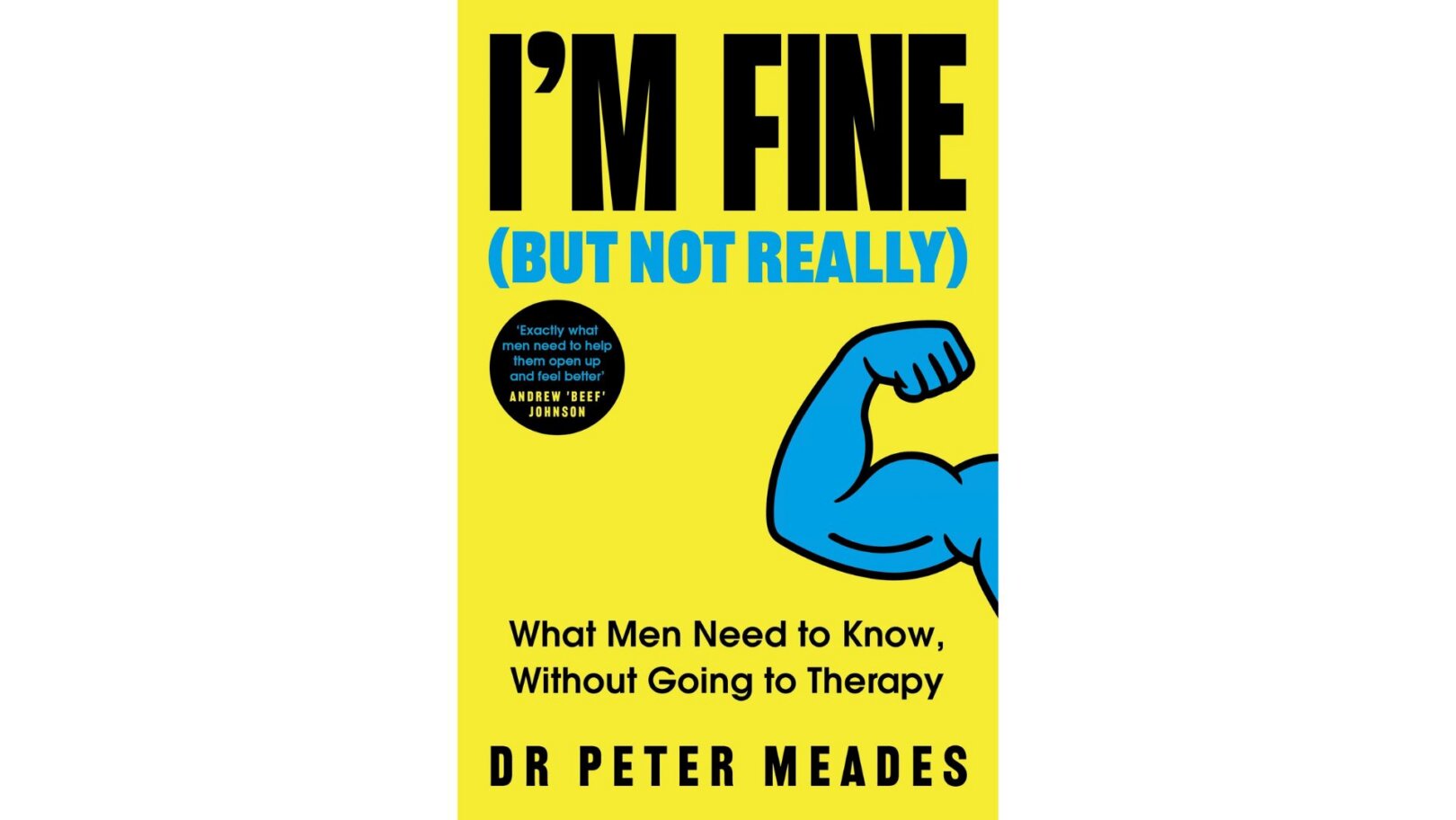
That’s partly why I wrote my new book, I’m Fine (But Not Really): What Men Need To Know, Without Going to Therapy. I wanted to share what happens in my work with all the men out there who may never end up seeking professional help.

Men face huge pressures from what I call the masculinity script. In its traditional form, this gives them very specific messages about what it means to be a man long before they’ve had the chance to discover or decide for themselves. Don’t be soft. Be a man. Boys don’t cry. Real men get on with it. Stop being so emotional.
The masculinity script is based on strength, silence, and control
Statements like these are instilled in boys from a young age and create a picture of masculinity that’s based on strength, silence, and control. The language behind this script may vary, but the message persists and it’s everywhere.
I was being interviewed on Times Radio a few months back, talking about men’s mental health. A female listener texted in with a message along the lines of, “Oh, boohoo, just get on with it. What are men moaning about?” The subtext here is clear: Be resilient. Cope. Don’t show if you’re not coping.
Society tells men to be capable, strong, financially independent and sexually confident. They have to be good communicators and also protectors. None of these things are intrinsically bad – they can be very positive traits – but the problem is, they tend to be adopted in a way that’s too rigid and fixed.
Be resilient. Cope. Don’t show if you’re not coping
If a man ends up building his entire identity around this traditional masculinity script, what happens when he encounters illness, job loss or a relationship breakdown? More often than not, this situation will prompt an entire collapse of self, with that person falling into a state of low self-worth yet feeling unable to ask for help. And that’s when men, in particular, find themselves in a real pickle.
The majority of men I work with are in midlife: that key point when the person we’ve become meets the person we really are – and, more crucially, the person we want to be. I wouldn’t describe it as a crisis so much as a moment of reckoning. I think a lot of men reach midlife and realize that the life they’ve built isn’t really aligned with who they actually are.

Sometimes, people’s values change. They might have lived life in the fast lane – pursuing money, success and achievement – and suddenly, they can’t cope. On top of that, they may be facing lots of financial pressures and emotional demands (from ageing parents, for example). And there’s also that sense in midlife of confronting the time you have left.
Men should be able to be strong and vulnerable. To be capable and kind
The message we now give men who are struggling is “talk more, talk more, talk more” – but they need the words to do so first. I’ve never come across a man who’s avoiding help or doesn’t want to talk. Many simply don’t have the vocabulary to describe their emotional worlds.
This means that men communicate a lot of things, like distress, before they have the words for it. Such feelings may hide behind more “acceptable” male emotions, for example, anger. So, in therapy, my work often begins by helping men expand their emotional literacy by being able to name what they’re feeling.
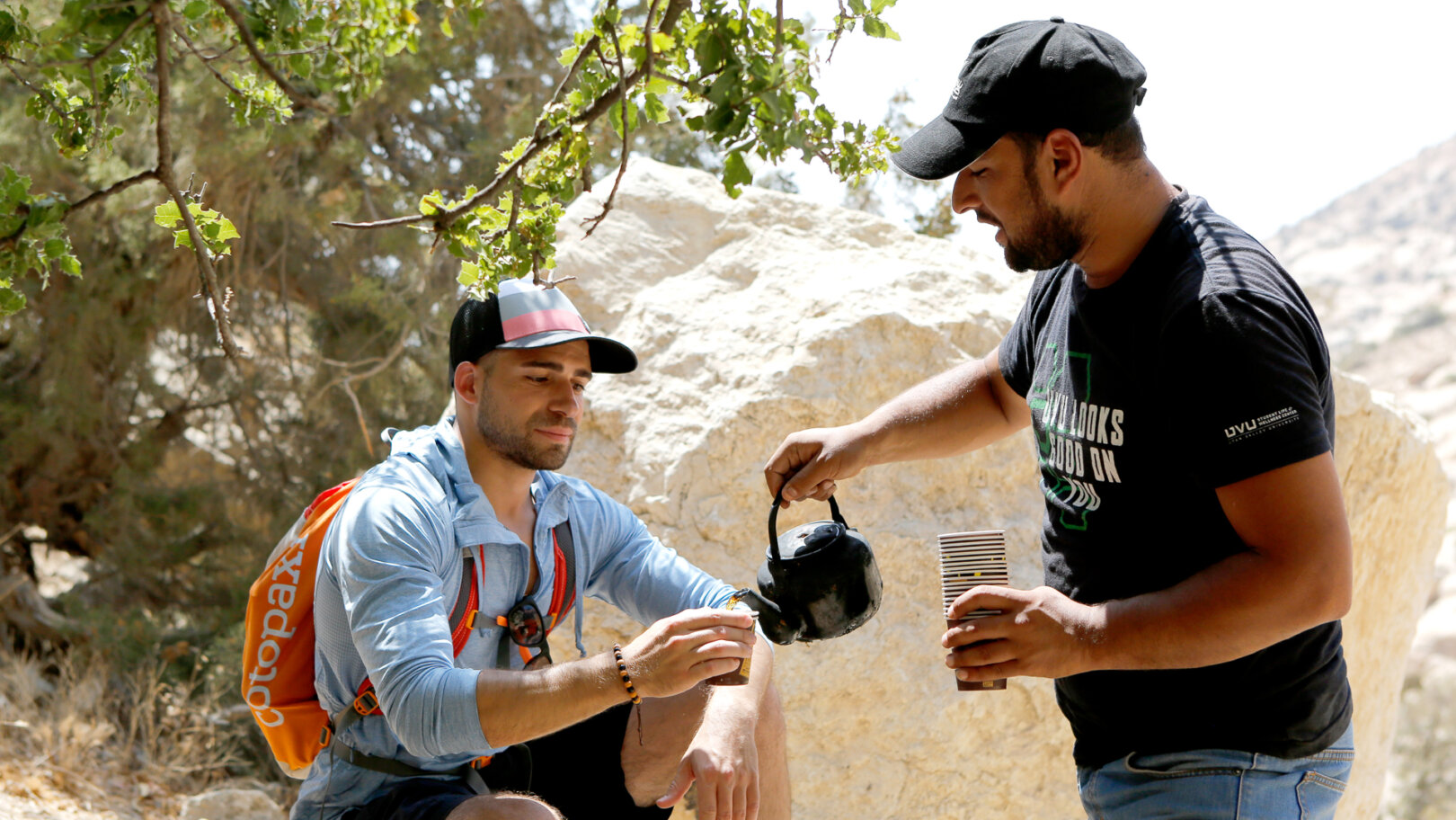
I’ll also work on creating flexibility in the masculinity script that so many men are given in life. It helps to think of everything on a continuum, so men have the room to be strong and vulnerable. To be capable and kind, or sensitive. To be able to find a way to step out of their daily role in life – as a father, son, provider, boss or employee – so that they’re experiencing freedom alongside a set list of responsibilities.
Many men are deeply lonely. They don’t have friends that know them
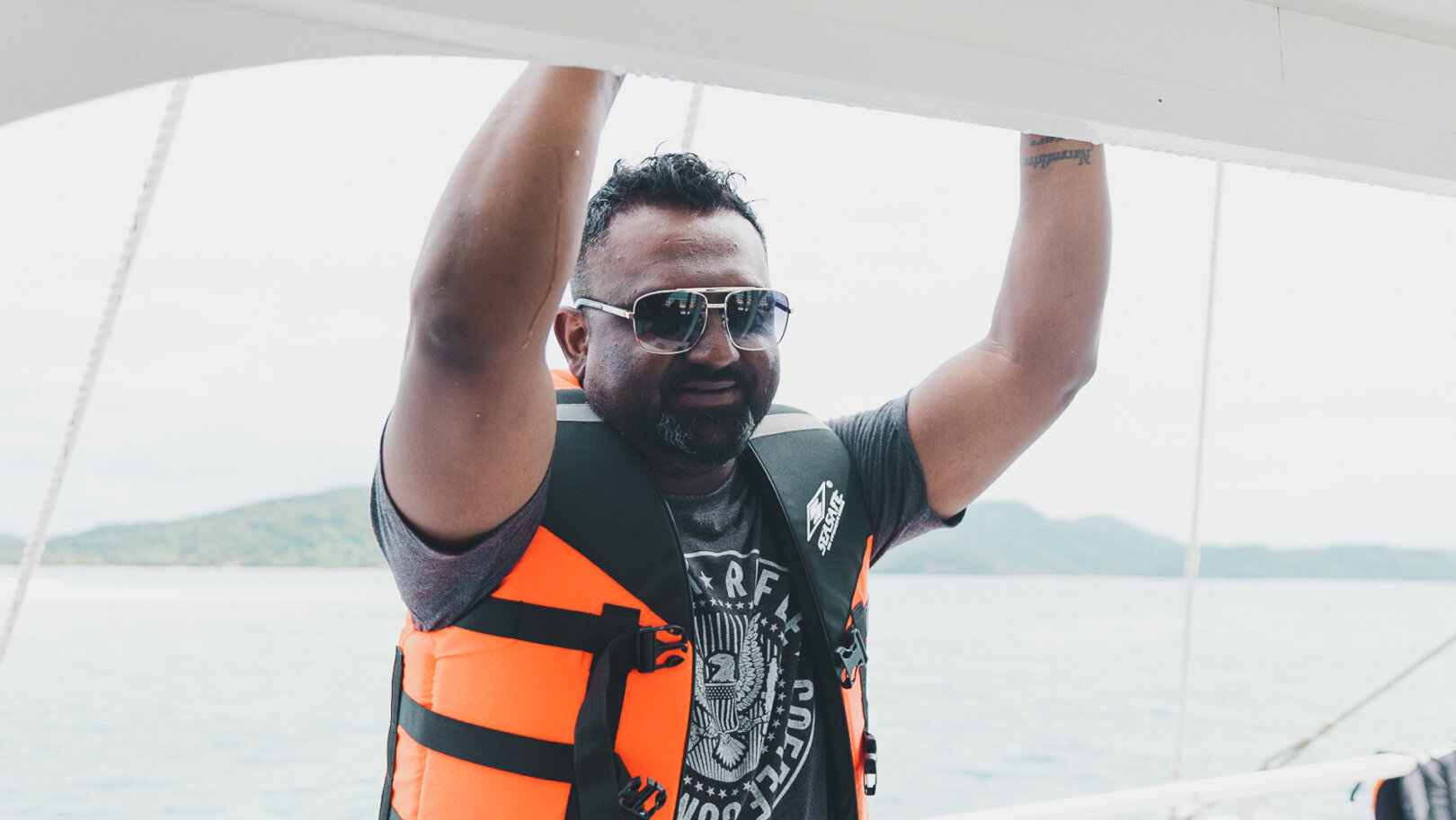
That’s what’s so fantastic about exploration, travel and adventure. It enables you to discover aspects of yourself that you perhaps had forgotten about and understand yourself in a different light. And it’s an opportunity to meet people who have no preconceptions about who you are, or what defines you.
That’s the other thing: a lot of men I work with are deeply lonely. They might be surrounded by people, including friends they go and watch sport with, or someone they’ve met every week for the past 20 years. But these friends don’t necessarily know them; they don’t talk about feelings or fears together. These men therefore might exist in a situation where the only other person who truly knows them is their life partner. And that’s too much load to put on one person.

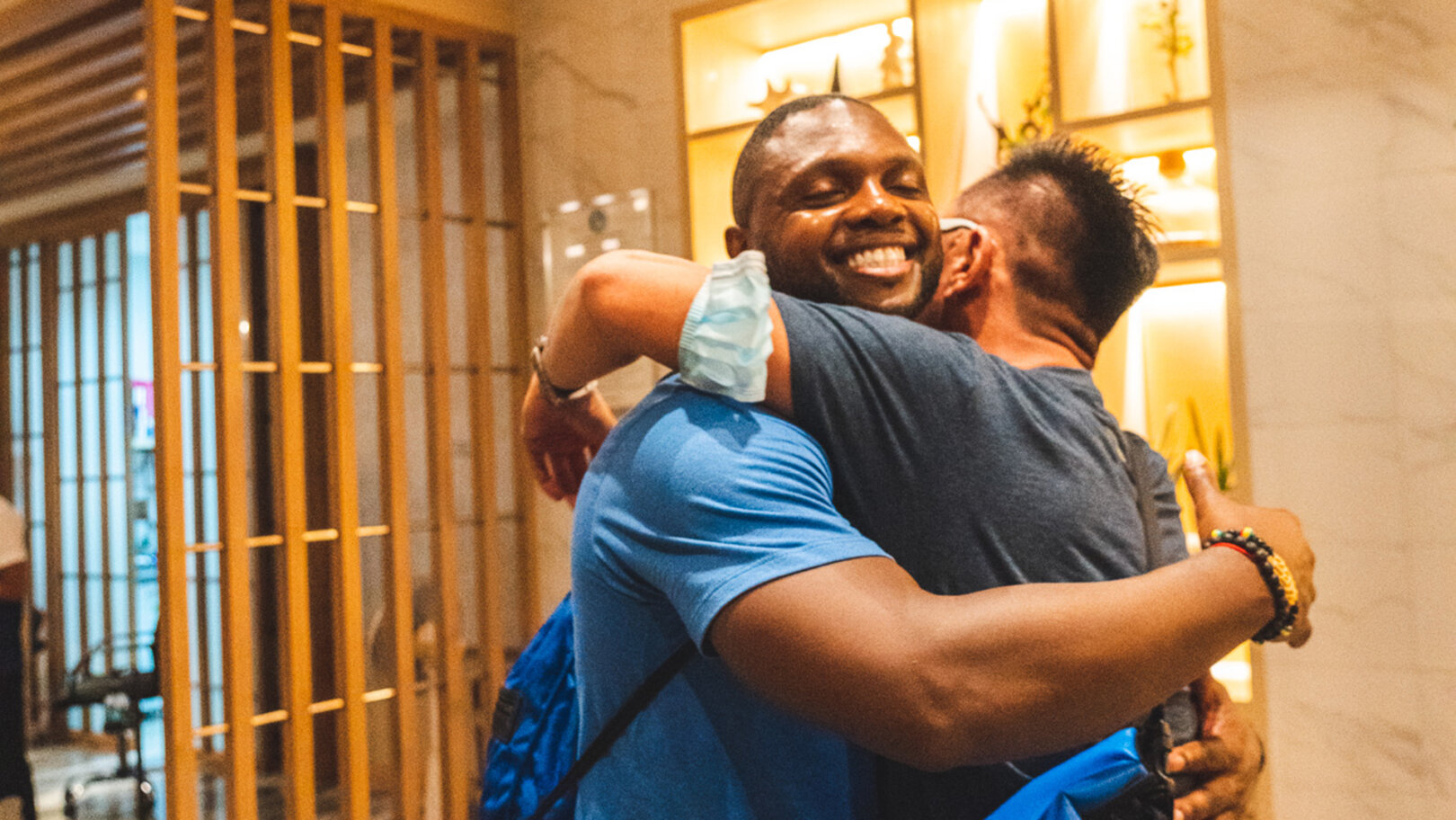
I think there’s something really powerful in men learning to take the risk of other male friends getting to know them. Because to allow at least one or two other people, beyond your partner, to understand and know you fully, can make a huge difference to loneliness. And it also enables qualities such as tenderness to rise to the surface.
Midlife creates a powerful moment of reckoning
These relationships may not play out in the manner we imagine: for example, by sitting together in a cafe, talking about each other’s feelings. Some men will struggle with that level of intense face-on-face contact, or, again, they won’t have the language to discuss how they’re feeling. And with every risk of a deeper friendship comes the possibility of getting hurt.
Nevertheless, the rewards are huge. The truth is that therapy, although a fantastic tool, is not the only path by which men can connect and untether from old-school notions of masculinity. Things like solo travel, arts, music and sports are all great ways for men to unlock intimacy by making new friends, exploring vulnerability and revealing a fresh level of self-awareness.
Asking for help, then, is just the beginning of the journey.
Dr. Peter Meades is an Integrative Psychotherapist and author of I’m Fine (But Not Really): What Men Need To Know, Without Going to Therapy published by Robinson and available now in paperback, kindle edition and Audiobook.
Images: Rachel Ross/Flash Pack, Dr. Peter Meades