


 Recently viewed
 What to Look for in a Small Group Tour Company


The Quick Take
- Look for genuinely small groups (ideally 10–16 travelers)
- Choose companies that attract people on a similar wavelength (age, travel style, mindset)
- Prioritize locally-led experiences over standard sightseeing
- Make sure there’s a balance of structure and free time
- Read recent reviews (from the past 1–2 years) for mentions of group connection
- Expect seamless organization – without feeling micromanaged
Choosing a small group tour company can feel a bit like online dating – lots of options, all promising amazing experiences, and not always clear which one’s actually right for you.
But get it right, and it goes beyond a typical vacation. You’re signing up for shared moments, unexpected friendships, and stories you’ll still be telling years later. So how do you spot a genuinely great small group tour company (and avoid the disappointing ones)? Here’s what really matters.
👍 Great vs 🚩 Not-So-Great Small Group Tours
| What to Look For | 👍 Great Tour Company | 🚩 Not-So-Great Tour Company |
|---|---|---|
| Group size | 10–16 travelers | 20+ feels crowded |
| Group vibe | People on a similar wavelength | Random mix, low cohesion |
| Experiences | Local, hard to organize independently | Generic, tourist-heavy |
| Flexibility | Built-in free time | Over-scheduled or rigid |
| Guides | Local experts with insight | Basic logistics-only guides |
| Reviews | Mention friendships & shared moments | Focus only on hotels/transport |
1 - Group Sizes That Feel Personal (Not Packed)
“Small group” can mean very different things depending on the company. Some stretch that definition to 20+ travelers – which often feels more like a crowd than a connected group.
What you’re really looking for:
- Enough people to create a social atmosphere
- Few enough that you can get to know everyone
The ideal range? Around 10–16 travelers – widely considered the right balance for social connection without losing flexibility. That’s where conversations flow, plans stay flexible, and you’re not waiting on a minibus full of strangers every morning.
2 - A Like-Minded Crowd
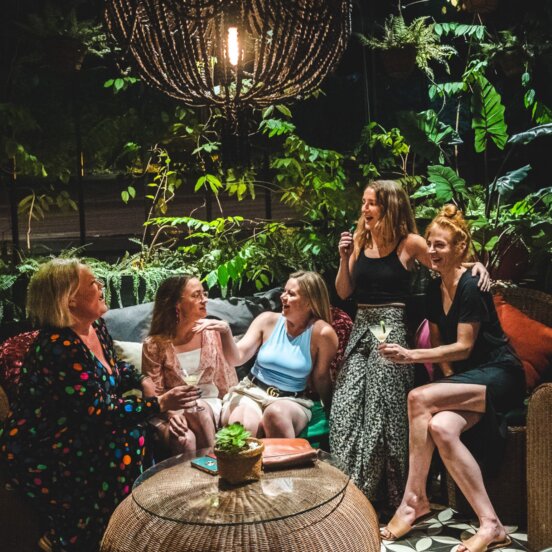
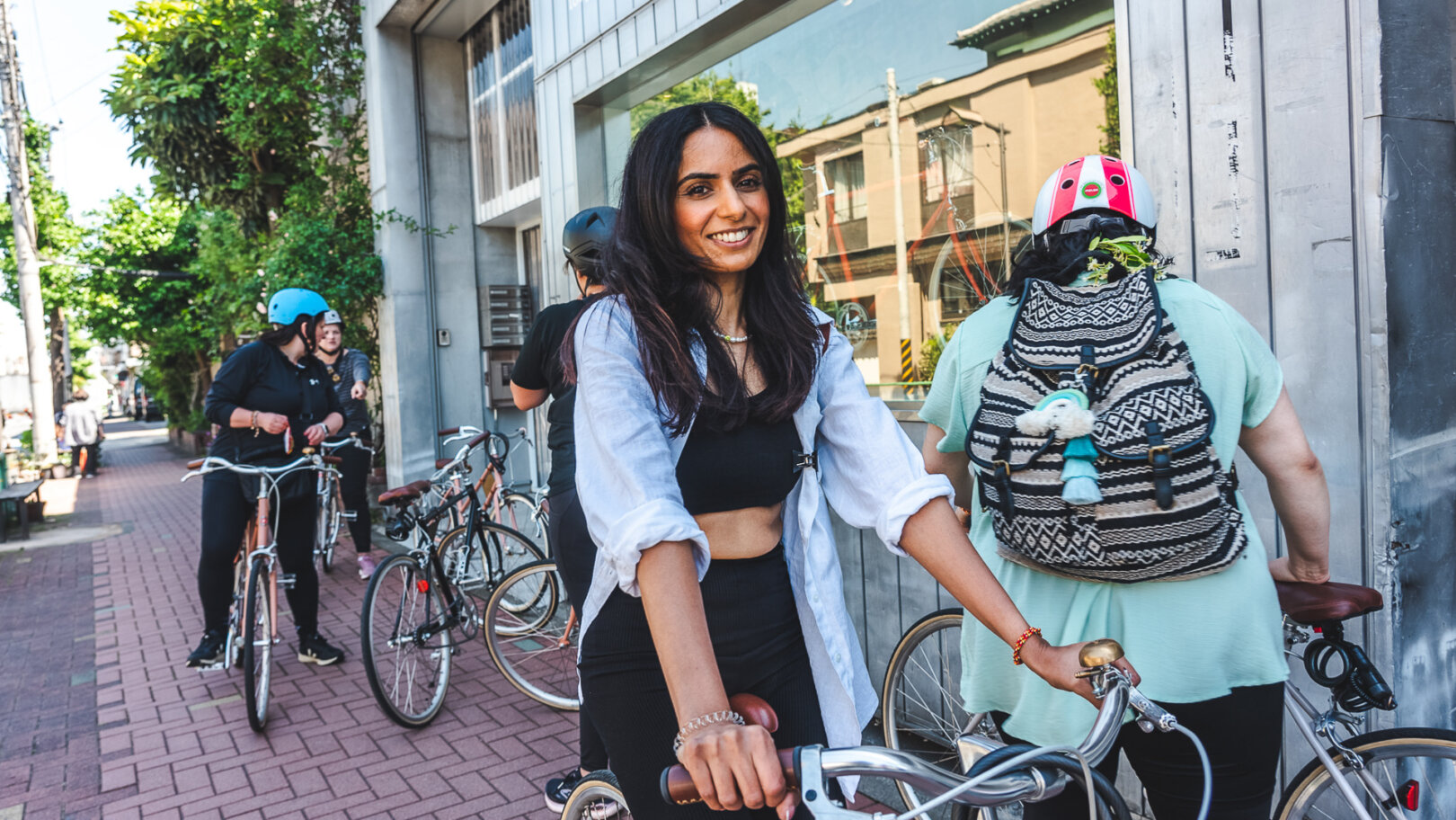
The people you travel with shape the entire experience. The best small group tour companies don’t just fill spaces – they attract travelers with similar mindsets, life stages, and travel styles (for example, solo travelers in their 30s and 40s who want a mix of adventure and comfort).
Look for clues like:
- A clearly defined audience or age range (e.g. Flash Pack’s category for solo travelers aged 45-59)
- A consistent travel style (adventure-led, cultural, social)
- Recent traveler reviews that mention friendships or group chemistry
When everyone’s aligned, the dynamic changes – everything just flows better.
3 - Experiences That Go Beyond the Obvious
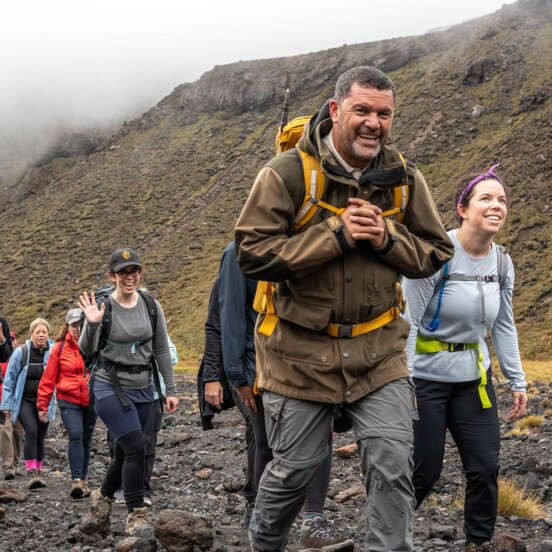
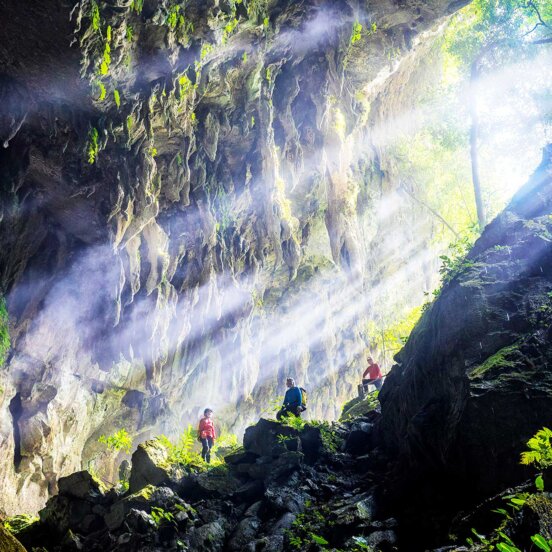
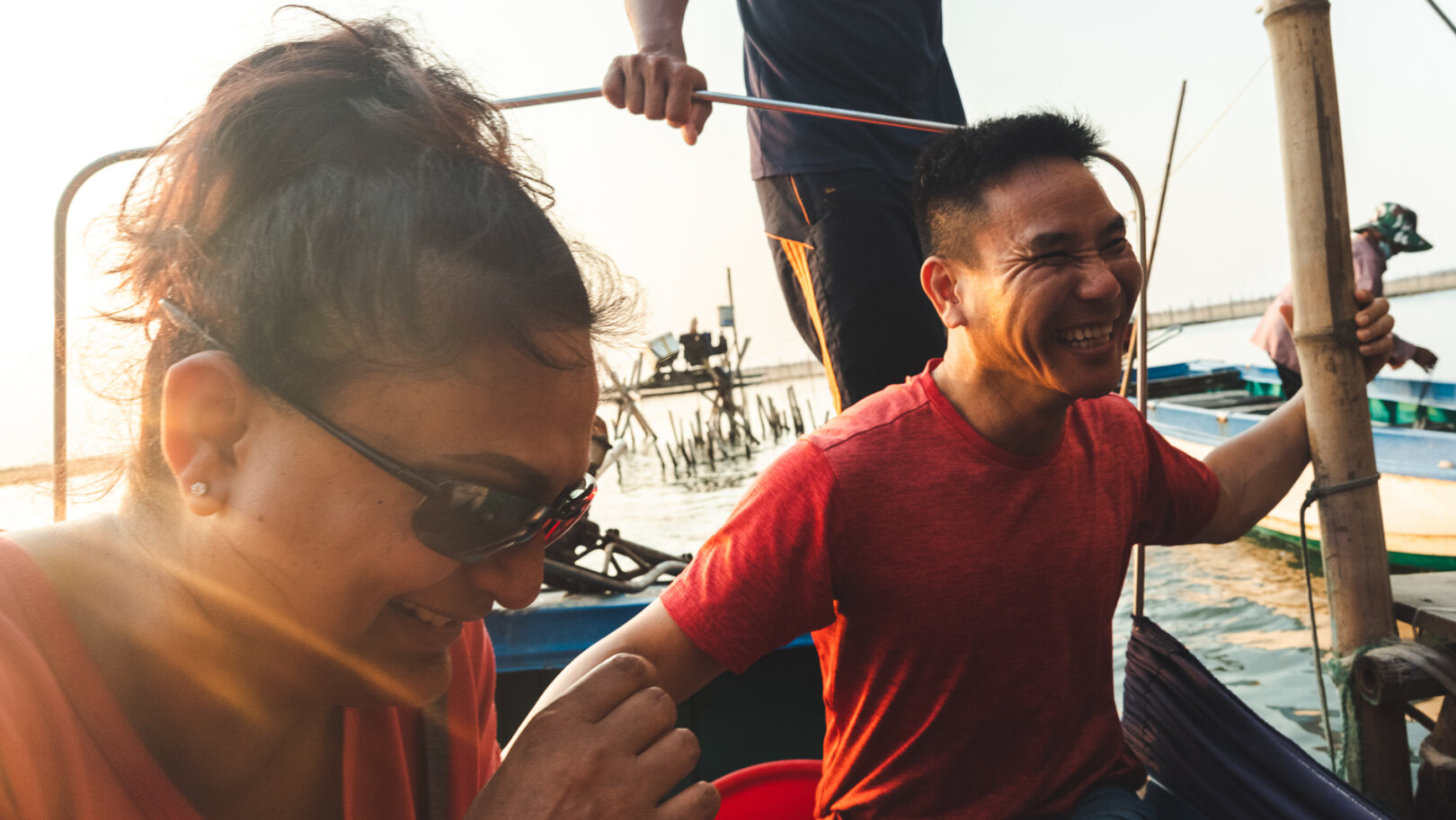
A great itinerary goes beyond ticking off landmarks. Look for experiences that are difficult to organise independently – like locally hosted meals, expert-led hikes, or access to lesser-known spots.
Promising signs include:
- Unique experiences shaped by local knowledge
- Access you wouldn’t easily organize solo
- Moments that feel natural rather than scripted
If it looks like something you could plan in five minutes online, it’s probably not adding much value.
4 - The Right Balance of Structure and Freedom
No one wants to feel like they’re back on a school trip. The best tours strike a balance:
- Key experiences are organized for you
- There’s still time to explore independently
Look for itineraries that clearly show:
- Free afternoons or evenings
- Optional activities
- Space to follow your own interests
Because some of the most memorable moments of adventure happen when you veer away from the script.
5 - Local Guides Who Bring Places to Life
A great guide doesn’t just lead – they open up a destination in a completely different way. The difference is huge:
- Average guides give you facts
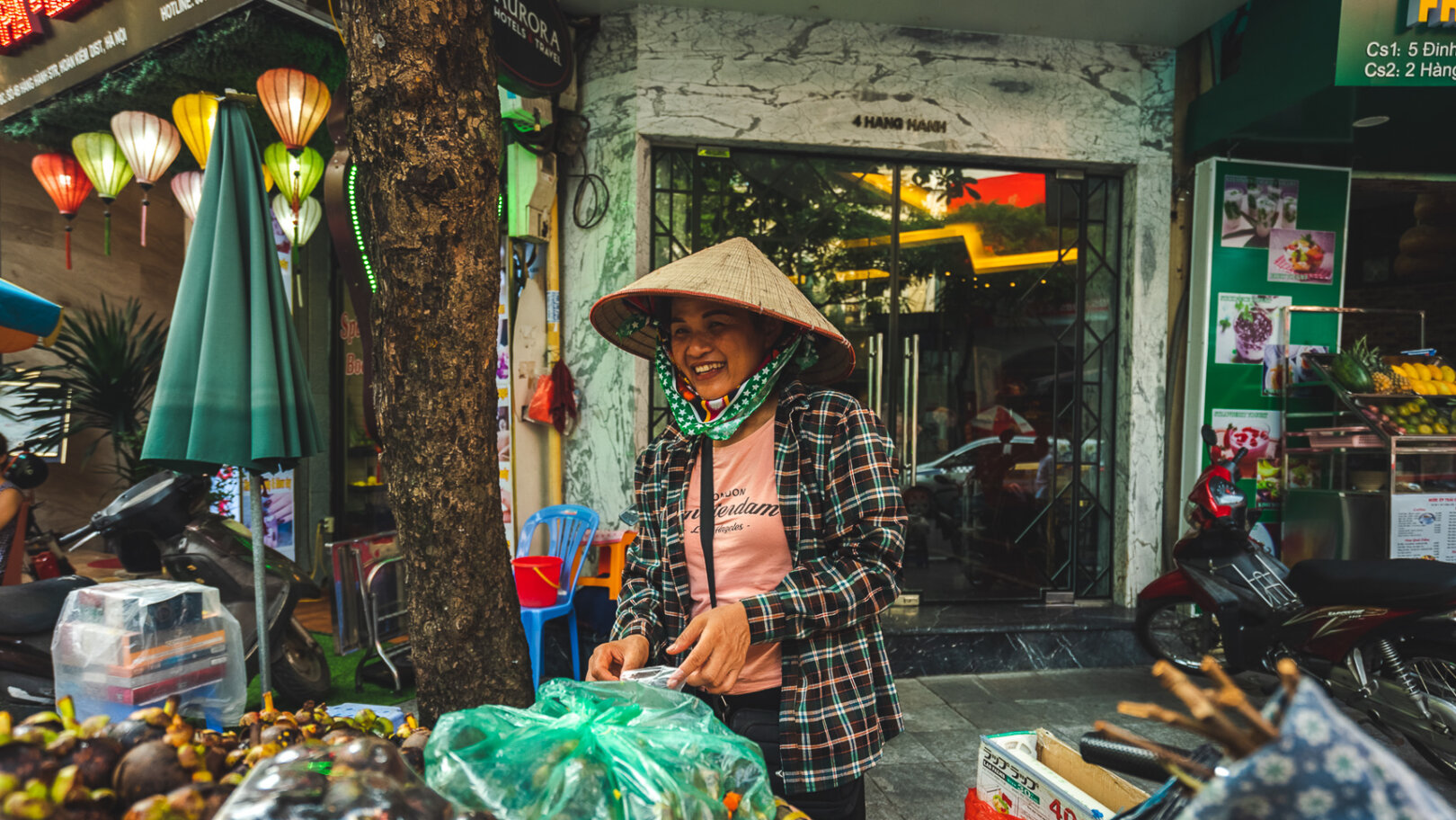
- Great guides give you stories, cultural context, and insider perspective
Look for companies that:
- Work with local experts, not just tour leaders
- Emphasize storytelling and cultural insight
- Highlight connections to local communities
That’s what transforms a place from somewhere you merely pass through into somewhere you appreciate and understand.
6 - Reviews That Talk About People, Not Just Places
Reviews are one of your best tools – especially recent traveler reviews from the past 1–2 years. Don’t just scan for star ratings. Look for patterns.
The best signs:
- People mention their group, not just the itinerary
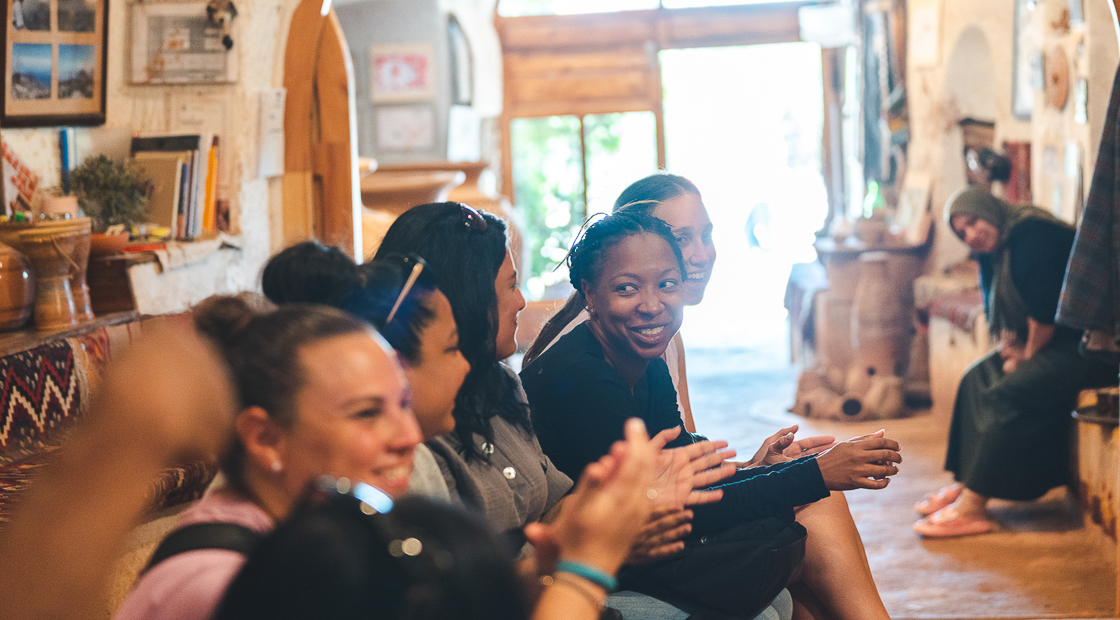
- Travelers talk about friendships or shared experiences
- There’s a sense of genuine connection that shines through in anecdotes and stories
If reviews only focus on hotels and transport, something important is missing.
7 - A Seamless, Stress-Free Experience
One of the biggest perks of a small group tour is not having to think about logistics. So the company should:
- Handle the details smoothly
- Communicate clearly before and during the trip
- Be responsive if anything changes
You should feel supported – but never overly managed.
8 - A Travel Style That Matches Yours
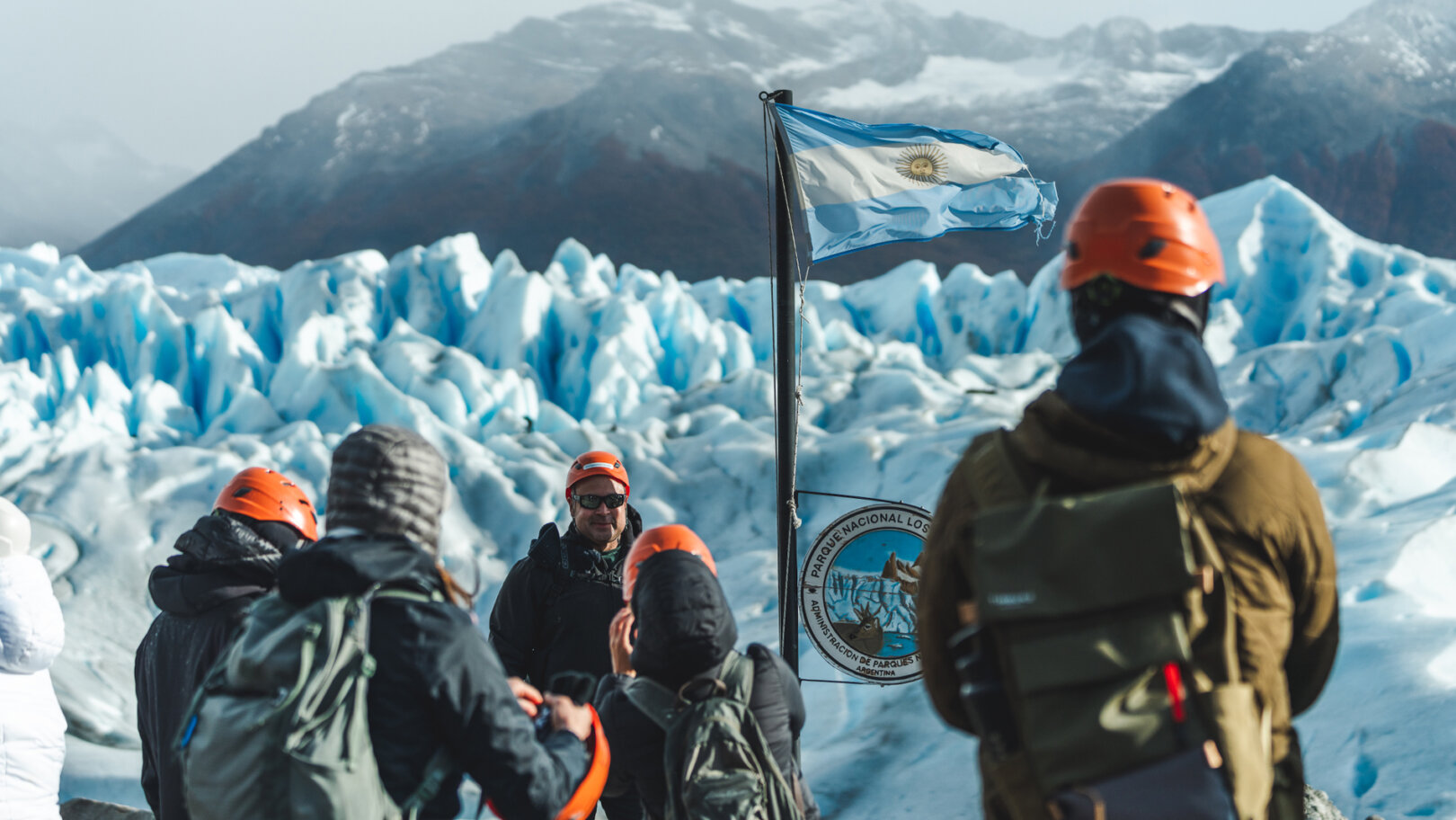
Every company has its own personality. Some are:
- Fast-paced and packed with activities
- Slow and immersive
- Premium or comfort-focused
- Adventure-heavy
None is inherently better – it just depends on what suits you. This links closely to group dynamics – because the right travel style naturally brings together people who are looking for a similar style of experience.
Why It All Comes Together
The best small group tour companies don’t just show you a destination – they combine the right group size, the right people, and experiences shaped by local insight to create something far more meaningful. They bring everything into alignment: people, place, and pace.
And when that happens, the experience shifts. You’re no longer just a bystander – you’re properly connected to where you are, and who you’re sharing it with.